Mirai Secures $10M to Turbocharge On-Device AI: What It Means for Mobile and Laptop Users
By TechGuru • 2026-02-20T00:00:28.255546
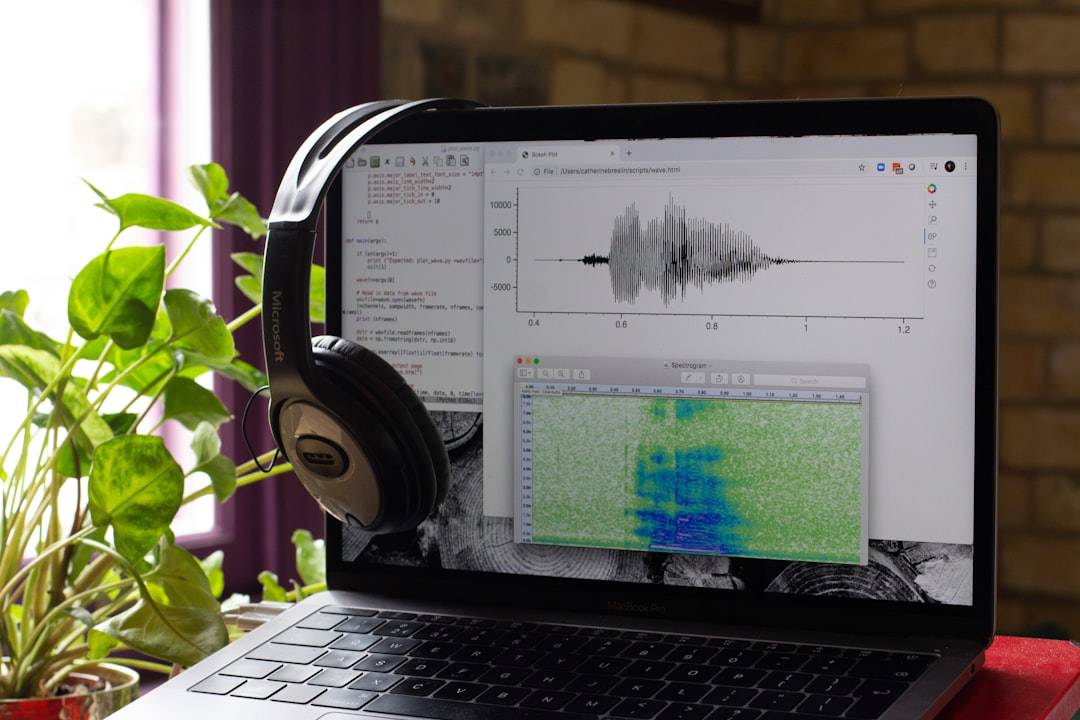
In a significant development that could redefine the efficiency of artificial intelligence on personal devices, Mirai, a startup co-founded by the visionaries behind Reface and Prisma, has successfully raised $10 million in seed funding. This investment is aimed at enhancing the performance of on-device model inference, essentially making AI models run more smoothly and efficiently on smartphones and laptops.
The co-founders, known for their innovative approaches to AI applications, are leveraging their expertise to tackle one of the most pressing challenges in the field: the seamless execution of AI tasks on personal devices without the need for constant internet connectivity. This issue has been a bottleneck in the widespread adoption of AI-powered features in mobile and laptop applications.
Historically, running AI models on devices has been cumbersome due to the substantial computational power and data storage required. This has led to a trade-off between app performance and AI functionality, with many developers opting for cloud-based solutions that, while effective, introduce latency and privacy concerns.
Mirai's approach focuses on optimizing AI model inference to make it not only faster but also more secure and private, as all processing occurs locally on the device. This could have profound implications for the future of mobile and laptop applications, enabling the integration of sophisticated AI features without compromising on user experience.
The implications extend beyond the tech-savvy crowd, as everyday users could soon experience more intuitive and responsive AI-driven interfaces in their daily applications. For instance, image and speech recognition, currently cloud-dependent, could become instantaneous and more reliable, even in areas with poor internet connectivity.
From an industry perspective, Mirai's success could reshape how developers approach AI integration in their apps. With the potential for faster, more efficient, and secure AI processing, the barriers to entry for AI-enhanced applications could significantly decrease, leading to a proliferation of innovative AI-powered services.
As the world becomes increasingly reliant on AI for everyday tasks, the ability to run complex models on-device could become a critical differentiator for devices and applications. Mirai's $10 million seed round is not just a vote of confidence in the company's vision but also a testament to the growing importance of on-device AI in the tech ecosystem.
The future of AI is undoubtedly tied to its ability to seamlessly integrate into our personal devices, and with Mirai at the forefront, we can expect significant advancements in this area. As AI continues to evolve and improve, the potential for on-device model inference to revolutionize the way we interact with technology is vast and exciting.
In conclusion, Mirai's seed funding is a pivotal moment in the quest for more efficient and secure AI on personal devices. With its co-founders' proven track record in AI innovation and the backing of significant investment, the company is well-positioned to drive meaningful change in how AI models are run on smartphones and laptops. This development has the potential to unlock a new wave of AI applications that are not only powerful but also user-friendly and secure.
The co-founders, known for their innovative approaches to AI applications, are leveraging their expertise to tackle one of the most pressing challenges in the field: the seamless execution of AI tasks on personal devices without the need for constant internet connectivity. This issue has been a bottleneck in the widespread adoption of AI-powered features in mobile and laptop applications.
Historically, running AI models on devices has been cumbersome due to the substantial computational power and data storage required. This has led to a trade-off between app performance and AI functionality, with many developers opting for cloud-based solutions that, while effective, introduce latency and privacy concerns.
Mirai's approach focuses on optimizing AI model inference to make it not only faster but also more secure and private, as all processing occurs locally on the device. This could have profound implications for the future of mobile and laptop applications, enabling the integration of sophisticated AI features without compromising on user experience.
The implications extend beyond the tech-savvy crowd, as everyday users could soon experience more intuitive and responsive AI-driven interfaces in their daily applications. For instance, image and speech recognition, currently cloud-dependent, could become instantaneous and more reliable, even in areas with poor internet connectivity.
From an industry perspective, Mirai's success could reshape how developers approach AI integration in their apps. With the potential for faster, more efficient, and secure AI processing, the barriers to entry for AI-enhanced applications could significantly decrease, leading to a proliferation of innovative AI-powered services.
As the world becomes increasingly reliant on AI for everyday tasks, the ability to run complex models on-device could become a critical differentiator for devices and applications. Mirai's $10 million seed round is not just a vote of confidence in the company's vision but also a testament to the growing importance of on-device AI in the tech ecosystem.
The future of AI is undoubtedly tied to its ability to seamlessly integrate into our personal devices, and with Mirai at the forefront, we can expect significant advancements in this area. As AI continues to evolve and improve, the potential for on-device model inference to revolutionize the way we interact with technology is vast and exciting.
In conclusion, Mirai's seed funding is a pivotal moment in the quest for more efficient and secure AI on personal devices. With its co-founders' proven track record in AI innovation and the backing of significant investment, the company is well-positioned to drive meaningful change in how AI models are run on smartphones and laptops. This development has the potential to unlock a new wave of AI applications that are not only powerful but also user-friendly and secure.