Barclays Bets on Blockchain: How Stablecoin Growth Will Reshape Banking
By TechGuru • 2026-02-28T01:00:24.323741
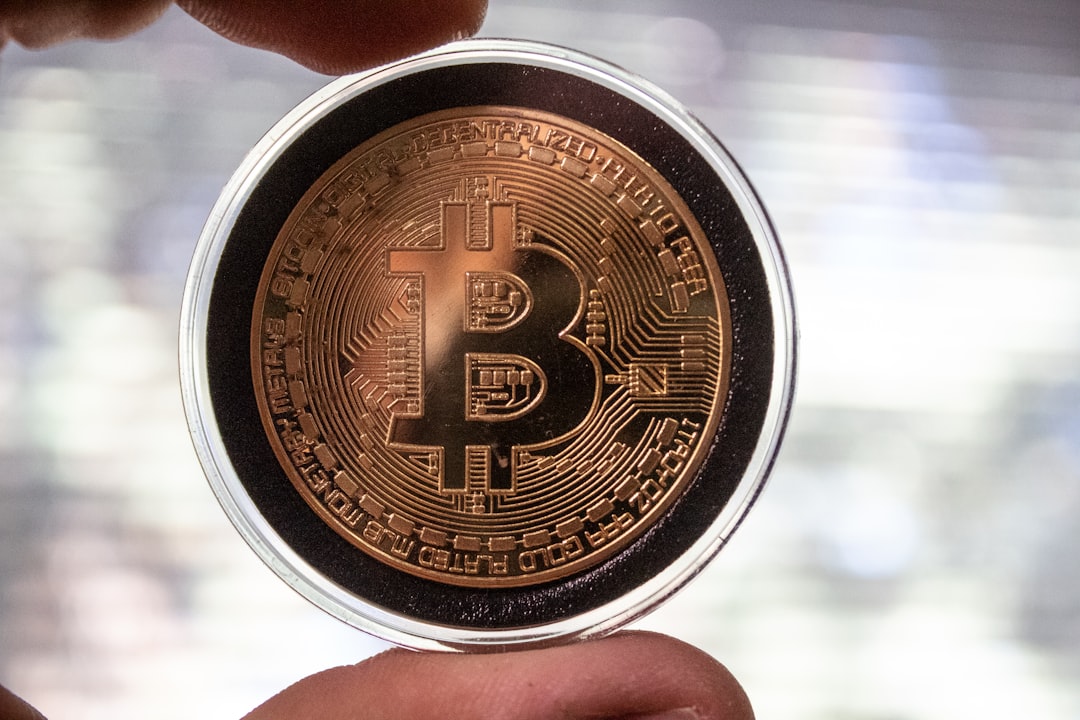
The banking sector is on the cusp of a significant transformation, driven by the anticipated growth of stablecoins. Barclays, one of the UK's largest banks, is exploring the development of blockchain-based settlement tools, signaling a strategic shift towards embracing the potential of digital currencies. This move is not entirely unexpected, given Barclays' previous investments in stablecoin settlement infrastructure and consortium efforts. By focusing on infrastructure rather than direct token issuance, the bank is adopting an infrastructure-first approach, which could potentially yield greater long-term benefits.
The context behind this development is crucial. Traditional banking systems have long been criticized for their inefficiencies, particularly in cross-border transactions. The emergence of stablecoins, which are pegged to the value of traditional currencies, promises to revolutionize this space by offering faster, cheaper, and more secure transactions. However, for banks, the challenge lies in adapting their legacy systems to accommodate these new digital assets.
The significance of Barclays' move cannot be overstated. By investing in blockchain technology, the bank is positioning itself at the forefront of the digital currency revolution. This could have far-reaching implications, not just for Barclays but for the entire banking industry. As stablecoin adoption grows, banks that fail to adapt risk being left behind, losing out on a significant portion of the transaction market. On the other hand, early adopters like Barclays could reap substantial rewards, from reduced transaction costs to increased customer satisfaction.
For everyday users, the impact of this shift could be profound. Imagine being able to send money across borders almost instantly, without the exorbitant fees currently associated with such transactions. This could be particularly beneficial for individuals in countries with underdeveloped banking systems or those who rely on remittances from abroad. From an industry perspective, the integration of blockchain and stablecoins could reshape how transactions are processed, making the entire system more efficient and less prone to errors.
The broader market implications are also worth considering. As more banks follow in Barclays' footsteps, we could see a significant reduction in transaction costs across the board. This, in turn, could lead to increased economic activity, as the barriers to conducting international trade are lowered. Furthermore, the adoption of blockchain technology could lead to greater transparency and security in financial transactions, reducing the risk of fraud and cyberattacks.
In conclusion, Barclays' exploration of blockchain settlement tools is a strategic move that reflects the bank's understanding of the impending shift in the financial landscape. As the world becomes increasingly digital, banks must adapt to remain relevant. The question now is, how quickly can other financial institutions follow suit, and what will be the ultimate impact on the global economy?
The context behind this development is crucial. Traditional banking systems have long been criticized for their inefficiencies, particularly in cross-border transactions. The emergence of stablecoins, which are pegged to the value of traditional currencies, promises to revolutionize this space by offering faster, cheaper, and more secure transactions. However, for banks, the challenge lies in adapting their legacy systems to accommodate these new digital assets.
The significance of Barclays' move cannot be overstated. By investing in blockchain technology, the bank is positioning itself at the forefront of the digital currency revolution. This could have far-reaching implications, not just for Barclays but for the entire banking industry. As stablecoin adoption grows, banks that fail to adapt risk being left behind, losing out on a significant portion of the transaction market. On the other hand, early adopters like Barclays could reap substantial rewards, from reduced transaction costs to increased customer satisfaction.
For everyday users, the impact of this shift could be profound. Imagine being able to send money across borders almost instantly, without the exorbitant fees currently associated with such transactions. This could be particularly beneficial for individuals in countries with underdeveloped banking systems or those who rely on remittances from abroad. From an industry perspective, the integration of blockchain and stablecoins could reshape how transactions are processed, making the entire system more efficient and less prone to errors.
The broader market implications are also worth considering. As more banks follow in Barclays' footsteps, we could see a significant reduction in transaction costs across the board. This, in turn, could lead to increased economic activity, as the barriers to conducting international trade are lowered. Furthermore, the adoption of blockchain technology could lead to greater transparency and security in financial transactions, reducing the risk of fraud and cyberattacks.
In conclusion, Barclays' exploration of blockchain settlement tools is a strategic move that reflects the bank's understanding of the impending shift in the financial landscape. As the world becomes increasingly digital, banks must adapt to remain relevant. The question now is, how quickly can other financial institutions follow suit, and what will be the ultimate impact on the global economy?