Bitcoin's 20% Rebound: A Closer Look at the Factors Driving the Recovery and DeFi's Growing Pains
By JTZ • 2026-03-07T00:00:23.157779
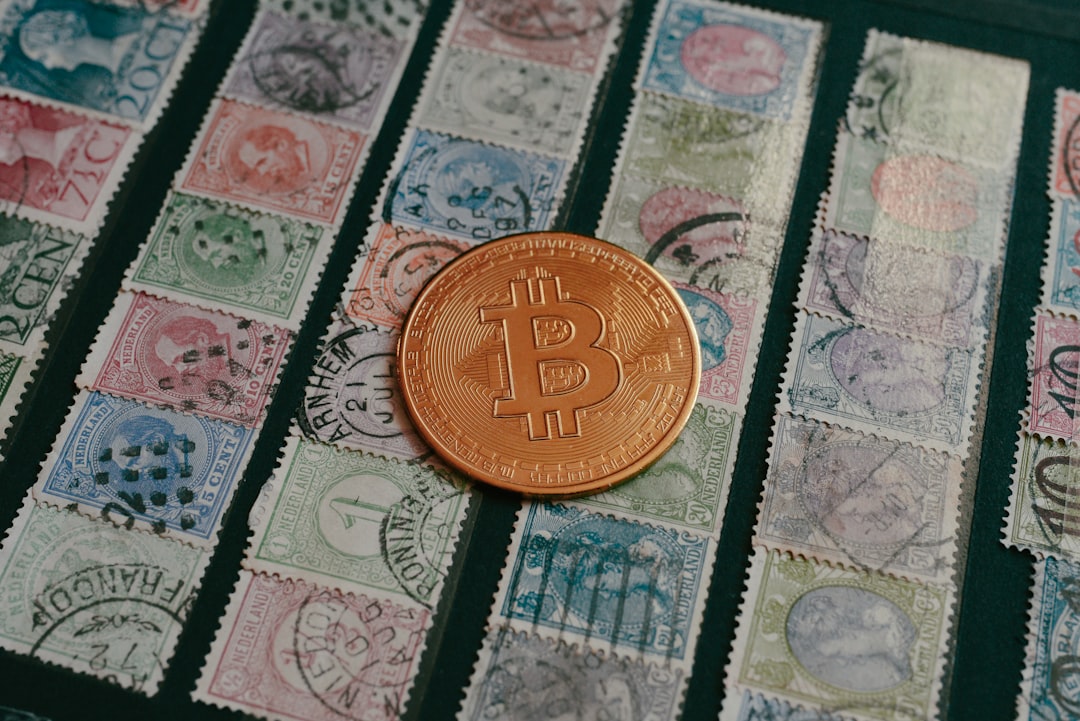
This week saw Bitcoin stage a remarkable recovery, with prices surging by over 20% as stablecoin inflows reached new heights. However, the decentralized finance (DeFi) sector faced fresh challenges, with Aave's governance issues, exploits, and exchange security concerns all contributing to a sense of unease. To understand the significance of these developments, it's essential to consider the context in which they are unfolding.
The recent Bitcoin bounce has been fueled by a combination of factors, including increased institutional investment and a growing recognition of the cryptocurrency's potential as a store of value. However, the recovery is also fragile, with many analysts warning that the market remains vulnerable to sudden shifts in sentiment.
In the DeFi space, Aave's governance issues have sparked heated debates about the future of the protocol. The platform's decision-making process has been called into question, with some users expressing concerns about the concentration of power in the hands of a few large stakeholders. This has led to a rift within the Aave community, with some users advocating for a more decentralized approach to governance.
The implications of these developments extend beyond the DeFi space, with potential consequences for the broader cryptocurrency market. For everyday users, the growing pains of DeFi protocols like Aave could mean a more cautious approach to investing in these platforms. From an industry perspective, the challenges facing DeFi highlight the need for more robust security measures and more transparent governance structures.
As the cryptocurrency market continues to evolve, it's likely that we'll see further tensions between the centralized and decentralized elements of the ecosystem. The future of DeFi will depend on the ability of protocols like Aave to balance the need for security and scalability with the need for decentralization and community involvement. For now, the recovery of Bitcoin and the challenges facing DeFi serve as a reminder of the complex and often contradictory nature of the cryptocurrency market.
The shift towards more decentralized finance platforms is also likely to reshape how we think about traditional financial systems. As DeFi protocols continue to grow and mature, they are likely to pose a significant challenge to traditional financial institutions, which will be forced to adapt to a new landscape of decentralized lending, borrowing, and trading.
In conclusion, the recent developments in the cryptocurrency market highlight the complex interplay between Bitcoin, DeFi, and traditional financial systems. As the market continues to evolve, it's likely that we'll see further tensions and challenges, but also new opportunities for growth and innovation.
The future of finance is being redefined, and the developments of the past week are just the beginning. As we move forward, it will be essential to consider the broader implications of these changes, from the potential for more decentralized and equitable financial systems to the risks of instability and unpredictability.
In the end, the recovery of Bitcoin and the challenges facing DeFi serve as a reminder of the dynamic and rapidly changing nature of the cryptocurrency market. As we navigate this complex landscape, it's essential to stay informed and adapt to the latest developments, all while keeping a close eye on the potential consequences of our actions.
The recent Bitcoin bounce has been fueled by a combination of factors, including increased institutional investment and a growing recognition of the cryptocurrency's potential as a store of value. However, the recovery is also fragile, with many analysts warning that the market remains vulnerable to sudden shifts in sentiment.
In the DeFi space, Aave's governance issues have sparked heated debates about the future of the protocol. The platform's decision-making process has been called into question, with some users expressing concerns about the concentration of power in the hands of a few large stakeholders. This has led to a rift within the Aave community, with some users advocating for a more decentralized approach to governance.
The implications of these developments extend beyond the DeFi space, with potential consequences for the broader cryptocurrency market. For everyday users, the growing pains of DeFi protocols like Aave could mean a more cautious approach to investing in these platforms. From an industry perspective, the challenges facing DeFi highlight the need for more robust security measures and more transparent governance structures.
As the cryptocurrency market continues to evolve, it's likely that we'll see further tensions between the centralized and decentralized elements of the ecosystem. The future of DeFi will depend on the ability of protocols like Aave to balance the need for security and scalability with the need for decentralization and community involvement. For now, the recovery of Bitcoin and the challenges facing DeFi serve as a reminder of the complex and often contradictory nature of the cryptocurrency market.
The shift towards more decentralized finance platforms is also likely to reshape how we think about traditional financial systems. As DeFi protocols continue to grow and mature, they are likely to pose a significant challenge to traditional financial institutions, which will be forced to adapt to a new landscape of decentralized lending, borrowing, and trading.
In conclusion, the recent developments in the cryptocurrency market highlight the complex interplay between Bitcoin, DeFi, and traditional financial systems. As the market continues to evolve, it's likely that we'll see further tensions and challenges, but also new opportunities for growth and innovation.
The future of finance is being redefined, and the developments of the past week are just the beginning. As we move forward, it will be essential to consider the broader implications of these changes, from the potential for more decentralized and equitable financial systems to the risks of instability and unpredictability.
In the end, the recovery of Bitcoin and the challenges facing DeFi serve as a reminder of the dynamic and rapidly changing nature of the cryptocurrency market. As we navigate this complex landscape, it's essential to stay informed and adapt to the latest developments, all while keeping a close eye on the potential consequences of our actions.