Sunday's $1.15B Valuation Signals New Era for Household Robotics: What's Next for Memo?
By JTZ • 2026-03-13T09:01:58.036309
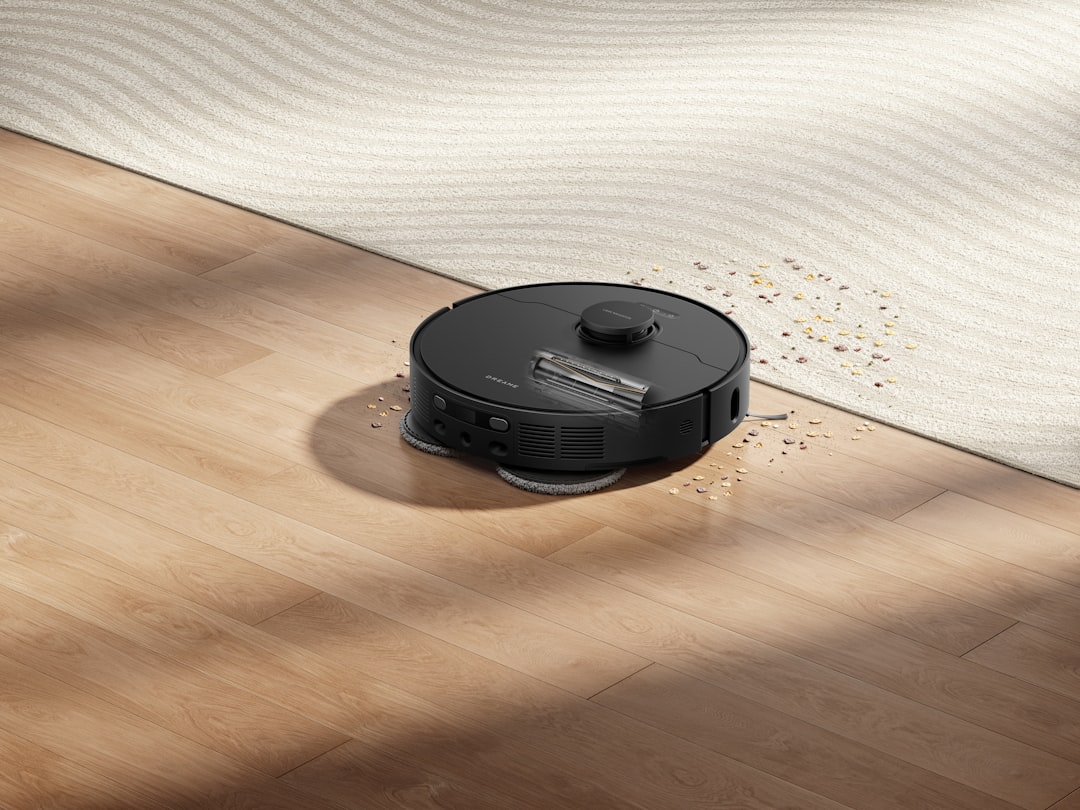
In a significant development that underscores the growing interest in robotics for everyday life, Sunday, a startup focused on developing humanoid robots for household tasks, has achieved a valuation of $1.15 billion. This milestone comes after the company emerged from stealth mode late last year with an ambitious project: creating a robot named Memo designed to assist with chores such as laundry and clearing the table. The enthusiasm for Sunday's vision is palpable, with over 1,000 people already on the waitlist for Memo, indicating a strong demand for innovative solutions to simplify domestic life.
The context of Sunday's emergence is set against a backdrop of increasing interest in robotics and artificial intelligence aimed at consumer markets. While industrial robotics has long been a staple in manufacturing, the concept of robots assisting in household chores is a relatively new frontier. Sunday's Memo is poised to capitalize on this trend, promising to bring a level of convenience and efficiency to daily tasks that has been lacking.
The significance of Sunday's valuation and the development of Memo cannot be overstated. It signals a shift towards a future where robotics plays a more intimate role in daily life, beyond the confines of factories and into the heart of homes. This development matters now because it represents a convergence of technological advancement, consumer demand, and investment interest in robotics designed for everyday use.
For everyday users, the implications of Sunday's success are profound. It could mean a future where household chores are significantly reduced, freeing up time for more meaningful pursuits. From an industry perspective, Sunday's valuation and the interest in Memo could reshape how companies approach the development of consumer-oriented robotics, focusing more on usability, affordability, and the integration of these devices into daily routines.
The broader market and societal effects of such advancements are also worth considering. As robots like Memo become more prevalent, there could be a significant impact on the job market, potentially displacing certain types of domestic work but also creating new opportunities in fields related to robotics and AI. Furthermore, the integration of robots into homes could lead to new considerations regarding privacy, safety, and the ethical use of these technologies.
In conclusion, Sunday's achievement and the anticipation surrounding Memo reflect a broader societal desire for innovation that simplifies and enhances daily life. As the robotics industry continues to evolve, it will be fascinating to observe how companies like Sunday navigate the challenges and opportunities presented by developing technology for the home.
The context of Sunday's emergence is set against a backdrop of increasing interest in robotics and artificial intelligence aimed at consumer markets. While industrial robotics has long been a staple in manufacturing, the concept of robots assisting in household chores is a relatively new frontier. Sunday's Memo is poised to capitalize on this trend, promising to bring a level of convenience and efficiency to daily tasks that has been lacking.
The significance of Sunday's valuation and the development of Memo cannot be overstated. It signals a shift towards a future where robotics plays a more intimate role in daily life, beyond the confines of factories and into the heart of homes. This development matters now because it represents a convergence of technological advancement, consumer demand, and investment interest in robotics designed for everyday use.
For everyday users, the implications of Sunday's success are profound. It could mean a future where household chores are significantly reduced, freeing up time for more meaningful pursuits. From an industry perspective, Sunday's valuation and the interest in Memo could reshape how companies approach the development of consumer-oriented robotics, focusing more on usability, affordability, and the integration of these devices into daily routines.
The broader market and societal effects of such advancements are also worth considering. As robots like Memo become more prevalent, there could be a significant impact on the job market, potentially displacing certain types of domestic work but also creating new opportunities in fields related to robotics and AI. Furthermore, the integration of robots into homes could lead to new considerations regarding privacy, safety, and the ethical use of these technologies.
In conclusion, Sunday's achievement and the anticipation surrounding Memo reflect a broader societal desire for innovation that simplifies and enhances daily life. As the robotics industry continues to evolve, it will be fascinating to observe how companies like Sunday navigate the challenges and opportunities presented by developing technology for the home.