Bitcoin Surges to $74K, But Data Hints at Lingering Bear Market: What's Next for Investors?
By TechGuru • 2026-03-14T18:01:48.056051
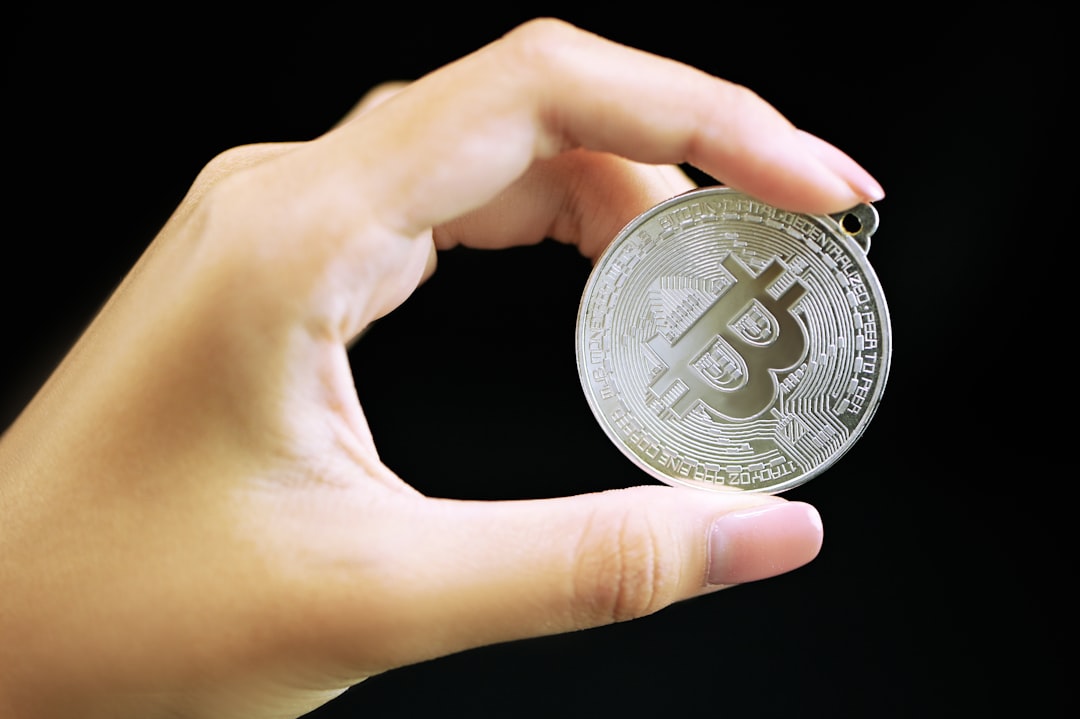
Bitcoin's remarkable ascent to nearly $74,000 has left investors and analysts alike pondering the future of the cryptocurrency. Despite its recent strength, data suggests that the bear market may not be over yet. One key factor to consider is Bitcoin's correlation to tech stocks, which has been a significant driver of its price movements. When tech stocks rise, Bitcoin tends to follow, and vice versa. This correlation is crucial, as it indicates that Bitcoin's price is still heavily influenced by the broader tech market.
The reactive spot ETF flows are another indicator that the bear market may persist. These flows suggest that investors are still cautious about putting their money into Bitcoin, and are instead opting for more traditional assets. This cautious approach is understandable, given the significant volatility that Bitcoin has exhibited in recent months.
For everyday users, this could mean a continued rollercoaster ride in terms of price fluctuations. However, from an industry perspective, this shift could reshape how investors approach cryptocurrency. Rather than viewing it as a standalone asset, they may begin to see it as part of a larger portfolio that includes tech stocks and other assets. This more nuanced approach could lead to a more stable and mature market, but it also poses significant challenges for investors who are looking to capitalize on Bitcoin's potential for rapid growth.
The implications extend beyond the world of finance, as well. As Bitcoin and other cryptocurrencies become more mainstream, they are likely to have a significant impact on the way that businesses operate. From an industry perspective, this could mean a shift towards more decentralized and transparent models, as well as a greater emphasis on security and regulatory compliance. For developers, this could mean new opportunities for innovation and growth, as they work to create the next generation of cryptocurrency-based applications and services.
In conclusion, while Bitcoin's recent surge is certainly noteworthy, it is essential to consider the broader context and the potential consequences of this development. As the cryptocurrency market continues to evolve, it is likely to have a significant impact on investors, businesses, and society as a whole. By understanding the underlying trends and drivers, we can better navigate this complex and rapidly changing landscape.
The future of Bitcoin is uncertain, but one thing is clear: it will be shaped by a complex interplay of technological, economic, and social factors. As we look to the future, it is essential to consider the potential consequences of this development and to think critically about the role that Bitcoin and other cryptocurrencies will play in shaping the world of tomorrow.
From a strategic perspective, this means that investors and businesses must be prepared to adapt to a rapidly changing landscape. They must be willing to innovate and evolve, and to embrace new technologies and approaches. By doing so, they can position themselves for success in a market that is likely to be characterized by significant volatility and uncertainty.
The reactive spot ETF flows are another indicator that the bear market may persist. These flows suggest that investors are still cautious about putting their money into Bitcoin, and are instead opting for more traditional assets. This cautious approach is understandable, given the significant volatility that Bitcoin has exhibited in recent months.
For everyday users, this could mean a continued rollercoaster ride in terms of price fluctuations. However, from an industry perspective, this shift could reshape how investors approach cryptocurrency. Rather than viewing it as a standalone asset, they may begin to see it as part of a larger portfolio that includes tech stocks and other assets. This more nuanced approach could lead to a more stable and mature market, but it also poses significant challenges for investors who are looking to capitalize on Bitcoin's potential for rapid growth.
The implications extend beyond the world of finance, as well. As Bitcoin and other cryptocurrencies become more mainstream, they are likely to have a significant impact on the way that businesses operate. From an industry perspective, this could mean a shift towards more decentralized and transparent models, as well as a greater emphasis on security and regulatory compliance. For developers, this could mean new opportunities for innovation and growth, as they work to create the next generation of cryptocurrency-based applications and services.
In conclusion, while Bitcoin's recent surge is certainly noteworthy, it is essential to consider the broader context and the potential consequences of this development. As the cryptocurrency market continues to evolve, it is likely to have a significant impact on investors, businesses, and society as a whole. By understanding the underlying trends and drivers, we can better navigate this complex and rapidly changing landscape.
The future of Bitcoin is uncertain, but one thing is clear: it will be shaped by a complex interplay of technological, economic, and social factors. As we look to the future, it is essential to consider the potential consequences of this development and to think critically about the role that Bitcoin and other cryptocurrencies will play in shaping the world of tomorrow.
From a strategic perspective, this means that investors and businesses must be prepared to adapt to a rapidly changing landscape. They must be willing to innovate and evolve, and to embrace new technologies and approaches. By doing so, they can position themselves for success in a market that is likely to be characterized by significant volatility and uncertainty.