Abra's SPAC Gambit: A $750M Bet on Crypto's Public Future
By Freecker • 2026-03-18 07:18:39
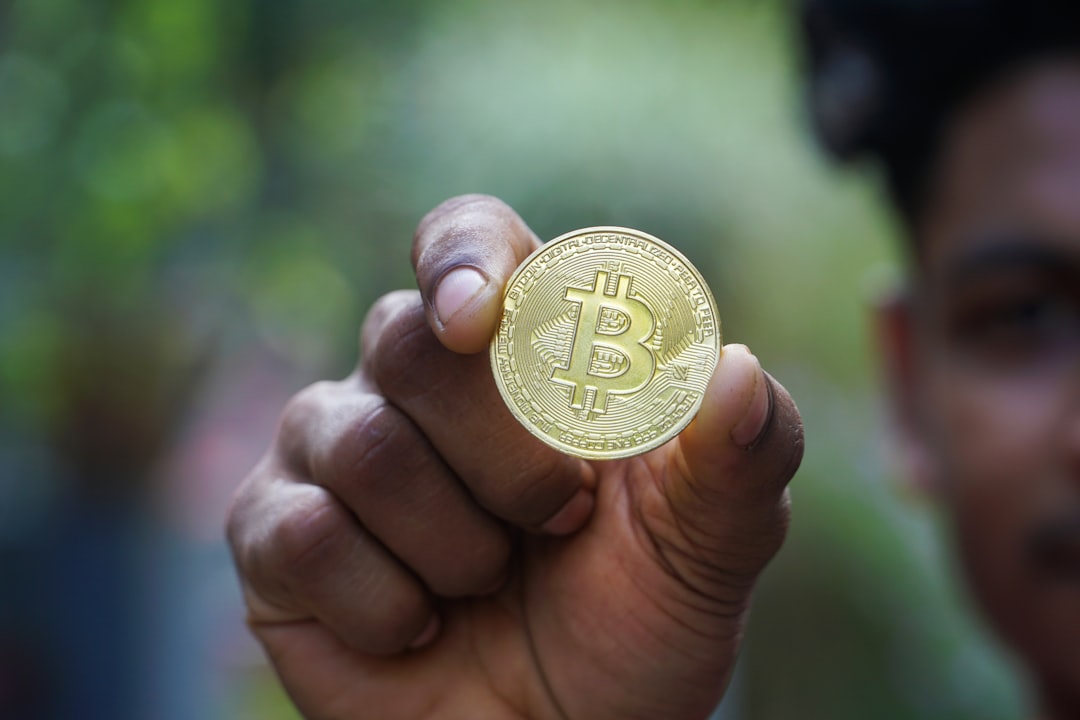
In an era where digital asset firms navigate volatile markets and intensifying regulatory scrutiny, the path to public markets remains a high-stakes endeavor. Abra, a prominent name in the cryptocurrency financial services space, is now charting this course, attempting to demystify its operations for public investors. This move signals a pivotal moment, not just for the company, but for the broader intersection of fintech, crypto, and traditional capital markets.
Abra, a company offering a suite of crypto-centric financial services including trading, lending, and interest-earning accounts, has announced its intention to go public through a special purpose acquisition company (SPAC) merger. The firm will combine with New Providence Acquisition Corp. III, a publicly traded shell company, in a transaction that values the combined entity at approximately $750 million. This strategic maneuver bypasses the traditional initial public offering (IPO) route, aiming to accelerate Abra's access to public capital and enhance its market visibility.
The choice of a SPAC merger for a crypto firm, while less prevalent than during the 2020-2021 boom, is a notable development. SPACs became a favored vehicle for technology and growth companies, offering a faster path to public listing than traditional IPOs. Crypto-adjacent firms like Bakkt (via VPC Impact Acquisition Holdings) explored or completed SPAC mergers, reflecting a broader trend of digital asset firms seeking liquidity. However, the SPAC market has since cooled considerably, marked by increased regulatory scrutiny from the U.S. Securities and Exchange Commission (SEC) and a higher rate of deal terminations. Abra's decision to proceed now, amid this cautious climate, suggests a calculated risk and a belief in its intrinsic value.
Beyond the mechanics, Abra's move is contextualized by the evolving digital asset finance landscape. Despite significant market downturns in 2022 and early 2023, demand for crypto financial services persists. Companies like Coinbase (COIN), public via direct listing in April 2021, and Block (SQ) have demonstrated the sector's public market potential and challenges. Regulatory frameworks, particularly in the United States, remain fragmented, with ongoing debates about whether digital assets constitute securities or commodities. This uncertainty impacts operational stability and growth prospects, making public transparency a double-edged sword. Abra's $750 million valuation, while substantial, is a fraction of the multi-billion dollar figures seen during the crypto bull market peak, indicating a sober assessment of the current environment.
Immediately, Abra's public listing via SPAC will inject fresh capital, providing crucial resources for expansion, product development, and strategic acquisitions. For a company in a capital-intensive, rapidly evolving sector, public market funding is invaluable. It could enable Abra to scale operations, enhance technological infrastructure, and navigate the complex regulatory environment more effectively through increased compliance investments. A public listing also provides an exit opportunity for early investors and employees, converting illiquid private equity into tradable public shares. Increased transparency and reporting requirements could foster greater trust among retail and institutional users, a critical factor in a sector frequently challenged by trust and security issues.
Looking further ahead, Abra's successful public market navigation could set a precedent for other private crypto financial service providers. Robust post-merger performance might rekindle interest in SPACs for mature digital asset firms. Conversely, if the merger faces hurdles or the stock underperforms, it could reinforce investor skepticism about crypto companies' readiness for mainstream public scrutiny. This event also highlights the crypto industry's ongoing maturation, moving beyond speculative trading to encompass traditional financial services like lending and yield generation, despite digital asset volatility. The SEC's intensified focus on investor protection means public crypto firms, like Abra, will face unprecedented oversight, potentially shaping industry best practices and accelerating demand for clearer regulatory guidelines.
The most direct beneficiaries are Abra's existing shareholders and employees, gaining liquidity for their equity. CEO Bill Barhydt's management team will see their strategic vision validated, securing capital for future plans. New Providence Acquisition Corp. III's sponsors and investors stand to benefit from the merger's completion. Retail investors gain a new avenue to crypto financial services exposure via a public entity, distinct from direct cryptocurrency investments or larger players like Coinbase. Conversely, competitors in crypto lending and yield generation, particularly private firms or those facing liquidity challenges, could be at a disadvantage. Abra's enhanced capital might allow it to outcompete on product offerings or compliance. Traditional financial institutions, slow to embrace digital assets, might perceive this as further encroachment by agile fintech players. However, the broader digital asset market could be a 'loser' if Abra's public debut falters, dampening investor sentiment towards crypto stocks. Stringent reporting and compliance burdens also represent a 'cost' for Abra, potentially diverting resources from core innovation.
The immediate next steps involve the finalization of the merger agreement, which typically includes shareholder votes from New Providence Acquisition Corp. III and regulatory approvals. This process could take several months, likely concluding in late 2024 or early 2025. Following the merger, Abra will trade under a new ticker symbol, and its performance will be closely scrutinized by analysts and investors. We can anticipate an accelerated push from Abra to expand its product suite, potentially targeting institutional clients or broadening its geographic reach, especially in markets with clearer regulatory frameworks. Crucially, the company will need to demonstrate consistent revenue growth and profitability to justify its $750 million valuation and mitigate concerns about the inherent volatility of the crypto market.
Abra's SPAC merger represents a calculated gambit to secure public capital and legitimacy in a maturing, yet still turbulent, digital asset industry. Investors and industry observers should monitor its post-listing performance not just as a measure of Abra's individual success, but as a critical barometer for the broader viability of crypto financial services in traditional public markets.
Abra, a company offering a suite of crypto-centric financial services including trading, lending, and interest-earning accounts, has announced its intention to go public through a special purpose acquisition company (SPAC) merger. The firm will combine with New Providence Acquisition Corp. III, a publicly traded shell company, in a transaction that values the combined entity at approximately $750 million. This strategic maneuver bypasses the traditional initial public offering (IPO) route, aiming to accelerate Abra's access to public capital and enhance its market visibility.
The choice of a SPAC merger for a crypto firm, while less prevalent than during the 2020-2021 boom, is a notable development. SPACs became a favored vehicle for technology and growth companies, offering a faster path to public listing than traditional IPOs. Crypto-adjacent firms like Bakkt (via VPC Impact Acquisition Holdings) explored or completed SPAC mergers, reflecting a broader trend of digital asset firms seeking liquidity. However, the SPAC market has since cooled considerably, marked by increased regulatory scrutiny from the U.S. Securities and Exchange Commission (SEC) and a higher rate of deal terminations. Abra's decision to proceed now, amid this cautious climate, suggests a calculated risk and a belief in its intrinsic value.
Beyond the mechanics, Abra's move is contextualized by the evolving digital asset finance landscape. Despite significant market downturns in 2022 and early 2023, demand for crypto financial services persists. Companies like Coinbase (COIN), public via direct listing in April 2021, and Block (SQ) have demonstrated the sector's public market potential and challenges. Regulatory frameworks, particularly in the United States, remain fragmented, with ongoing debates about whether digital assets constitute securities or commodities. This uncertainty impacts operational stability and growth prospects, making public transparency a double-edged sword. Abra's $750 million valuation, while substantial, is a fraction of the multi-billion dollar figures seen during the crypto bull market peak, indicating a sober assessment of the current environment.
Immediately, Abra's public listing via SPAC will inject fresh capital, providing crucial resources for expansion, product development, and strategic acquisitions. For a company in a capital-intensive, rapidly evolving sector, public market funding is invaluable. It could enable Abra to scale operations, enhance technological infrastructure, and navigate the complex regulatory environment more effectively through increased compliance investments. A public listing also provides an exit opportunity for early investors and employees, converting illiquid private equity into tradable public shares. Increased transparency and reporting requirements could foster greater trust among retail and institutional users, a critical factor in a sector frequently challenged by trust and security issues.
Looking further ahead, Abra's successful public market navigation could set a precedent for other private crypto financial service providers. Robust post-merger performance might rekindle interest in SPACs for mature digital asset firms. Conversely, if the merger faces hurdles or the stock underperforms, it could reinforce investor skepticism about crypto companies' readiness for mainstream public scrutiny. This event also highlights the crypto industry's ongoing maturation, moving beyond speculative trading to encompass traditional financial services like lending and yield generation, despite digital asset volatility. The SEC's intensified focus on investor protection means public crypto firms, like Abra, will face unprecedented oversight, potentially shaping industry best practices and accelerating demand for clearer regulatory guidelines.
The most direct beneficiaries are Abra's existing shareholders and employees, gaining liquidity for their equity. CEO Bill Barhydt's management team will see their strategic vision validated, securing capital for future plans. New Providence Acquisition Corp. III's sponsors and investors stand to benefit from the merger's completion. Retail investors gain a new avenue to crypto financial services exposure via a public entity, distinct from direct cryptocurrency investments or larger players like Coinbase. Conversely, competitors in crypto lending and yield generation, particularly private firms or those facing liquidity challenges, could be at a disadvantage. Abra's enhanced capital might allow it to outcompete on product offerings or compliance. Traditional financial institutions, slow to embrace digital assets, might perceive this as further encroachment by agile fintech players. However, the broader digital asset market could be a 'loser' if Abra's public debut falters, dampening investor sentiment towards crypto stocks. Stringent reporting and compliance burdens also represent a 'cost' for Abra, potentially diverting resources from core innovation.
The immediate next steps involve the finalization of the merger agreement, which typically includes shareholder votes from New Providence Acquisition Corp. III and regulatory approvals. This process could take several months, likely concluding in late 2024 or early 2025. Following the merger, Abra will trade under a new ticker symbol, and its performance will be closely scrutinized by analysts and investors. We can anticipate an accelerated push from Abra to expand its product suite, potentially targeting institutional clients or broadening its geographic reach, especially in markets with clearer regulatory frameworks. Crucially, the company will need to demonstrate consistent revenue growth and profitability to justify its $750 million valuation and mitigate concerns about the inherent volatility of the crypto market.
Abra's SPAC merger represents a calculated gambit to secure public capital and legitimacy in a maturing, yet still turbulent, digital asset industry. Investors and industry observers should monitor its post-listing performance not just as a measure of Abra's individual success, but as a critical barometer for the broader viability of crypto financial services in traditional public markets.