Crypto Funds Hemorrhage $414M in One Week: Inflation Fears and Geopolitics Take Center Stage
By Freecker • 2026-03-30T14:04:59.294430
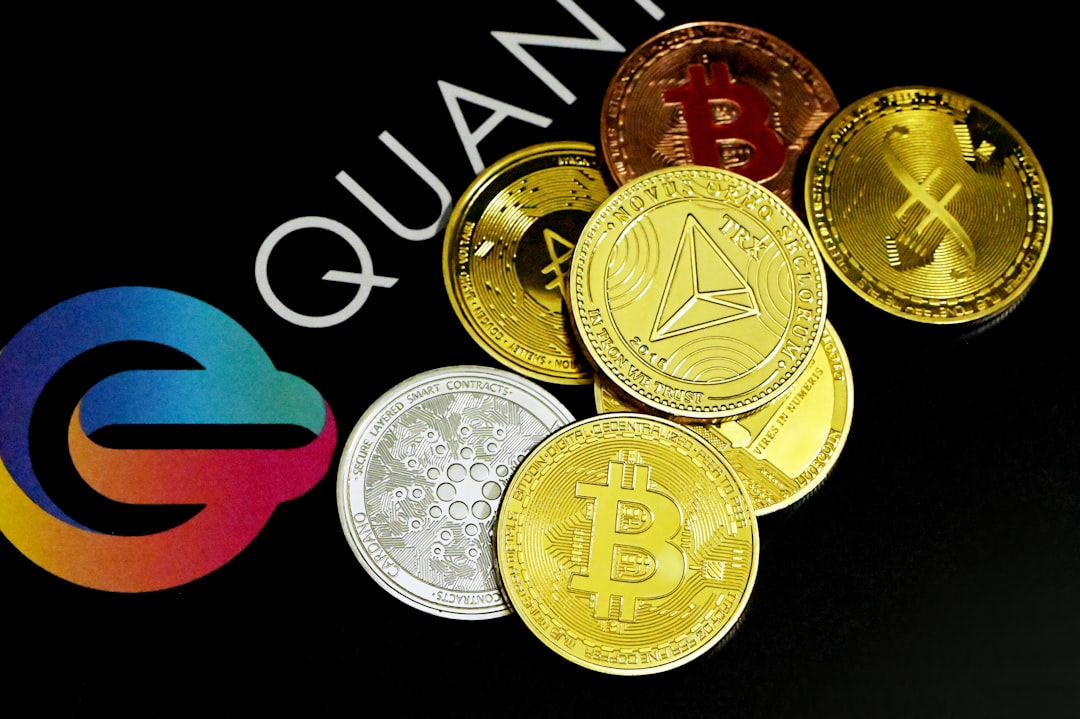
A stark shift in investor sentiment has led to the first outflow from crypto funds in five weeks, with a staggering $414 million being withdrawn. This sudden move towards a risk-off approach can be attributed to escalating inflation fears, anticipated US Federal Reserve rate hikes, and heightened tensions in the Middle East, particularly involving Iran. The crypto market, known for its volatility, is now facing a litmus test as investors reassess their risk tolerance.
The situation prior to this outflow was characterized by a cautious optimism, with investors eyeing the potential of digital assets to offer a hedge against inflation and currency devaluation. However, the recent geopolitical tensions and the hawkish stance of the US Fed have significantly altered the landscape. The fear of inflation, coupled with the uncertainty surrounding the conflict in the Middle East, has prompted investors to seek safer havens, at least temporarily.
For everyday users, this could mean a decrease in the value of their crypto holdings, at least in the short term. The implications extend beyond individual investors, as this shift could reshape how businesses approach crypto, potentially leading to a more conservative strategy regarding digital assets. From an industry perspective, this outflow could serve as a wake-up call, emphasizing the need for more robust risk management strategies and possibly paving the way for the development of more stable, less volatile digital assets.
The significance of this development lies in its ability to gauge the resilience of the crypto market in the face of broader economic challenges. As the global economy navigates through the complexities of inflation, interest rate adjustments, and geopolitical instability, the crypto sector's response will be closely watched. The question on everyone's mind is whether this outflow marks a temporary setback or the beginning of a longer trend of disinvestment from crypto. The answer will depend on how effectively the sector can adapt to these changing conditions and offer value to investors seeking to mitigate risk.
In conclusion, the $414 million outflow from crypto funds is a significant indicator of the investor community's current risk aversion. As the economic and geopolitical landscapes continue to evolve, the crypto market's ability to attract and retain investors will hinge on its capacity to provide stable, profitable opportunities amidst turmoil. The coming weeks will be crucial in determining the trajectory of crypto investments, with all eyes on how investors, businesses, and regulatory bodies respond to these challenges.
The broader market effects of this outflow could be profound, potentially leading to a reevaluation of the role of crypto in investment portfolios. With traditional assets also facing significant volatility, the appeal of crypto as a diversification tool may be tested. However, for those who believe in the long-term potential of digital assets, this could present an opportunity to buy into the market at lower valuations, setting the stage for potential future growth once the current uncertainties dissipate.
Ultimately, the crypto market's resilience and ability to innovate in response to external pressures will be key to its survival and growth. As investors navigate these uncharted waters, the importance of a balanced approach, combining caution with strategic vision, cannot be overstated. Whether this outflow signals a temporary blip or a more lasting trend remains to be seen, but one thing is clear: the crypto sector is at a crossroads, with its future trajectory hanging in the balance.
The situation prior to this outflow was characterized by a cautious optimism, with investors eyeing the potential of digital assets to offer a hedge against inflation and currency devaluation. However, the recent geopolitical tensions and the hawkish stance of the US Fed have significantly altered the landscape. The fear of inflation, coupled with the uncertainty surrounding the conflict in the Middle East, has prompted investors to seek safer havens, at least temporarily.
For everyday users, this could mean a decrease in the value of their crypto holdings, at least in the short term. The implications extend beyond individual investors, as this shift could reshape how businesses approach crypto, potentially leading to a more conservative strategy regarding digital assets. From an industry perspective, this outflow could serve as a wake-up call, emphasizing the need for more robust risk management strategies and possibly paving the way for the development of more stable, less volatile digital assets.
The significance of this development lies in its ability to gauge the resilience of the crypto market in the face of broader economic challenges. As the global economy navigates through the complexities of inflation, interest rate adjustments, and geopolitical instability, the crypto sector's response will be closely watched. The question on everyone's mind is whether this outflow marks a temporary setback or the beginning of a longer trend of disinvestment from crypto. The answer will depend on how effectively the sector can adapt to these changing conditions and offer value to investors seeking to mitigate risk.
In conclusion, the $414 million outflow from crypto funds is a significant indicator of the investor community's current risk aversion. As the economic and geopolitical landscapes continue to evolve, the crypto market's ability to attract and retain investors will hinge on its capacity to provide stable, profitable opportunities amidst turmoil. The coming weeks will be crucial in determining the trajectory of crypto investments, with all eyes on how investors, businesses, and regulatory bodies respond to these challenges.
The broader market effects of this outflow could be profound, potentially leading to a reevaluation of the role of crypto in investment portfolios. With traditional assets also facing significant volatility, the appeal of crypto as a diversification tool may be tested. However, for those who believe in the long-term potential of digital assets, this could present an opportunity to buy into the market at lower valuations, setting the stage for potential future growth once the current uncertainties dissipate.
Ultimately, the crypto market's resilience and ability to innovate in response to external pressures will be key to its survival and growth. As investors navigate these uncharted waters, the importance of a balanced approach, combining caution with strategic vision, cannot be overstated. Whether this outflow signals a temporary blip or a more lasting trend remains to be seen, but one thing is clear: the crypto sector is at a crossroads, with its future trajectory hanging in the balance.