GEN-1 Robotics Model Achieves 99% Reliability: A New Era for Physical AI
By Freecker • 2026-04-07T02:00:20.759530
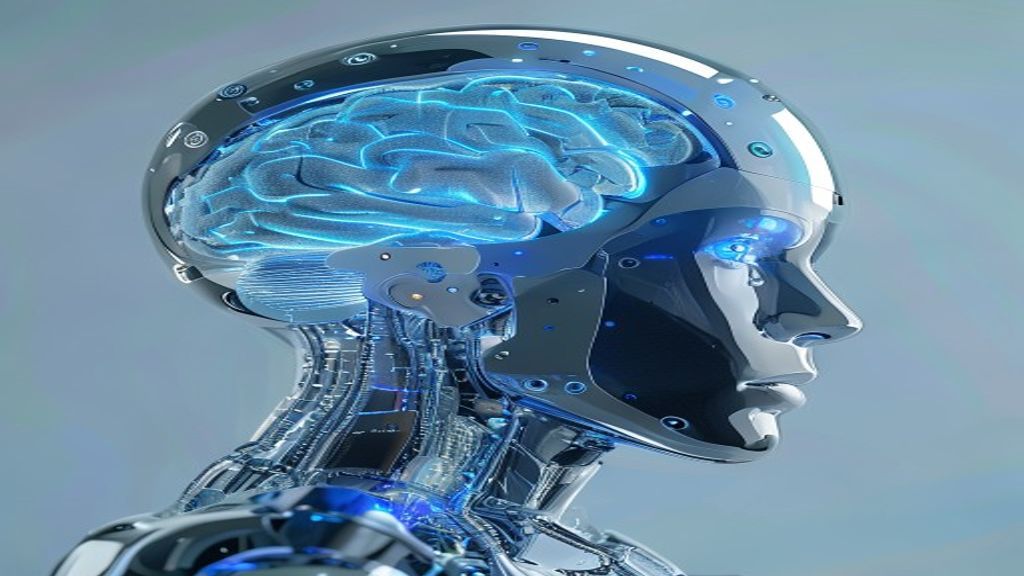
In a groundbreaking announcement, Generalist has unveiled GEN-1, a physical AI system that boasts production-level success rates across a wide range of physical skills, mirroring the dexterity and muscle memory of human hands. Building on the foundations of its predecessor, GEN-0, which demonstrated the potential of scaling laws in robotics training, GEN-1 represents a significant leap forward. This advancement is particularly noteworthy given the challenges robotic models face in accessing quality data for training, unlike large language models which can draw from vast repositories of written content.
The development of GEN-1 is underpinned by Generalist's innovative approach to data collection, utilizing 'data hands' — wearable devices that capture the nuanced movements and visual information associated with human manual tasks. This method has enabled the accumulation of over half a million hours of data and petabytes of physical interaction information, crucial for training the physical model. The implications of GEN-1 extend beyond the realm of robotics, potentially influencing how we approach automation, manufacturing, and even healthcare.
For everyday users, this could mean significant improvements in the reliability and efficiency of automated services, from assembly lines to home maintenance. From an industry perspective, the 99% reliability of GEN-1 could reshape how companies invest in automation, potentially leading to cost savings and increased productivity. Moreover, the ability of GEN-1 to improvise in response to disruptions by connecting ideas from different contexts to solve new problems suggests a level of adaptability that could be invaluable in dynamic environments.
The achievement of GEN-1 also underscores the strategic importance of high-quality training data in the development of advanced AI systems. As the technology continues to evolve, the demand for sophisticated data collection methods and the ethical considerations surrounding data use will become increasingly critical. Generalist's pioneering work in this area not only paves the way for more advanced physical AI systems but also highlights the need for continued innovation in data collection and AI training methodologies.
The broader market and societal effects of GEN-1 could be profound. With the potential to automate tasks that were previously the exclusive domain of human dexterity, the economic and social implications are far-reaching. This could lead to significant shifts in employment patterns and the need for workforce retraining programs that focus on skills complementary to AI. Furthermore, the reliability and efficiency brought about by GEN-1 could lead to improvements in product quality and reductions in production costs, making goods more affordable for consumers.
In conclusion, the introduction of GEN-1 by Generalist marks a pivotal moment in the development of physical AI, offering insights into the future of automation, manufacturing, and beyond. As this technology continues to evolve, it will be crucial to monitor its impact on various sectors and society as a whole, addressing both the opportunities and challenges it presents.
The development of GEN-1 is underpinned by Generalist's innovative approach to data collection, utilizing 'data hands' — wearable devices that capture the nuanced movements and visual information associated with human manual tasks. This method has enabled the accumulation of over half a million hours of data and petabytes of physical interaction information, crucial for training the physical model. The implications of GEN-1 extend beyond the realm of robotics, potentially influencing how we approach automation, manufacturing, and even healthcare.
For everyday users, this could mean significant improvements in the reliability and efficiency of automated services, from assembly lines to home maintenance. From an industry perspective, the 99% reliability of GEN-1 could reshape how companies invest in automation, potentially leading to cost savings and increased productivity. Moreover, the ability of GEN-1 to improvise in response to disruptions by connecting ideas from different contexts to solve new problems suggests a level of adaptability that could be invaluable in dynamic environments.
The achievement of GEN-1 also underscores the strategic importance of high-quality training data in the development of advanced AI systems. As the technology continues to evolve, the demand for sophisticated data collection methods and the ethical considerations surrounding data use will become increasingly critical. Generalist's pioneering work in this area not only paves the way for more advanced physical AI systems but also highlights the need for continued innovation in data collection and AI training methodologies.
The broader market and societal effects of GEN-1 could be profound. With the potential to automate tasks that were previously the exclusive domain of human dexterity, the economic and social implications are far-reaching. This could lead to significant shifts in employment patterns and the need for workforce retraining programs that focus on skills complementary to AI. Furthermore, the reliability and efficiency brought about by GEN-1 could lead to improvements in product quality and reductions in production costs, making goods more affordable for consumers.
In conclusion, the introduction of GEN-1 by Generalist marks a pivotal moment in the development of physical AI, offering insights into the future of automation, manufacturing, and beyond. As this technology continues to evolve, it will be crucial to monitor its impact on various sectors and society as a whole, addressing both the opportunities and challenges it presents.