Milan Design Week: Where AI Meets Talent in a $15B Industry
By JTZ • 2026-04-09T22:01:56.736176
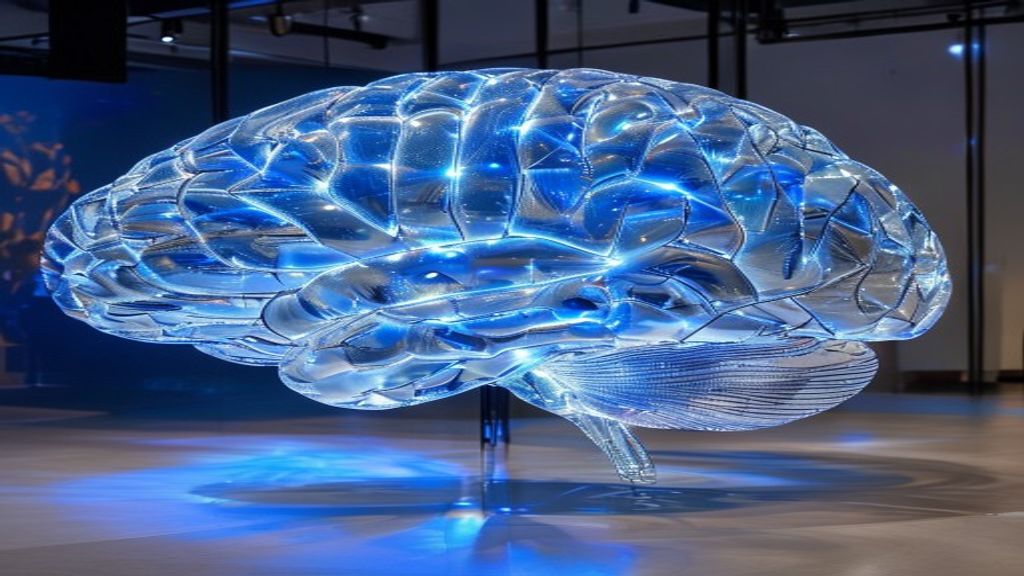
The recent Milan Design Week has underscored the evolving landscape of design, where artificial intelligence (AI) is increasingly intersecting with human talent. This convergence is not merely a trend but a strategic necessity, given the projected growth of the design industry to $15 billion by 2025.
The event showcased numerous projects and collaborations that highlighted the importance of dialogue between companies and educational institutions. This exchange is crucial in an era where the mix of skills required in the job market is undergoing a significant shift. For instance, designers are now expected to have a basic understanding of AI and machine learning to remain competitive.
The implications extend beyond the design sector. The integration of AI in design processes can lead to increased efficiency and innovation, potentially disrupting traditional business models. From an industry perspective, this could mean a significant reduction in production costs and time-to-market for new products. However, it also poses challenges, such as the need for workers to acquire new skills to work effectively alongside AI systems.
For everyday users, this could mean accessing more personalized and sophisticated products. The ability of AI to analyze vast amounts of data and generate designs based on that analysis can lead to products that are better tailored to individual needs. However, this also raises concerns about privacy and the potential for AI-generated designs to lack the human touch that many consumers value.
From a broader societal perspective, the increasing use of AI in design raises questions about the future of work and creativity. While AI can augment human capabilities, there is also the risk that it could replace certain jobs, particularly those that involve repetitive tasks. This shift could reshape how we think about work and education, emphasizing the need for a workforce that is adaptable and can work in tandem with technology.
The significance of Milan Design Week lies in its ability to bring these discussions to the forefront, encouraging a dialogue that is essential for navigating the challenges and opportunities presented by the integration of AI in design. As the design industry continues to evolve, events like these will play a crucial role in shaping the future of design and ensuring that it remains a vibrant and innovative field.
In conclusion, the future of design as highlighted by Milan Design Week is one that is deeply intertwined with technology, particularly AI. This future promises numerous benefits, including increased efficiency and personalized products, but it also presents challenges that need to be addressed, such as the need for new skills and the potential impact on jobs. As the industry moves forward, it will be essential to prioritize these discussions to ensure a future that is beneficial for all stakeholders involved.
The interplay between AI, talent, and new competencies is set to redefine the design landscape. As companies and educational institutions continue to collaborate, they must do so with a keen eye on the future, ensuring that the next generation of designers is equipped with the skills necessary to thrive in an AI-driven world. This proactive approach will be crucial in harnessing the full potential of AI in design while mitigating its negative consequences.
Ultimately, the success of this integration will depend on the ability of the design industry to adapt and evolve. By fostering a culture of innovation and continuous learning, designers can ensure that they remain at the forefront of their field, leveraging AI not as a replacement for human talent but as a tool to enhance and expand their capabilities. This mindset will be essential in navigating the complex and rapidly changing landscape of design in the years to come.
As the design world looks to the future, one thing is clear: the role of AI will only continue to grow. The question is how this growth will be managed and harnessed. By prioritizing dialogue, education, and innovation, the design industry can ensure that the integration of AI leads to a future that is more vibrant, more efficient, and more beneficial for all.
The event showcased numerous projects and collaborations that highlighted the importance of dialogue between companies and educational institutions. This exchange is crucial in an era where the mix of skills required in the job market is undergoing a significant shift. For instance, designers are now expected to have a basic understanding of AI and machine learning to remain competitive.
The implications extend beyond the design sector. The integration of AI in design processes can lead to increased efficiency and innovation, potentially disrupting traditional business models. From an industry perspective, this could mean a significant reduction in production costs and time-to-market for new products. However, it also poses challenges, such as the need for workers to acquire new skills to work effectively alongside AI systems.
For everyday users, this could mean accessing more personalized and sophisticated products. The ability of AI to analyze vast amounts of data and generate designs based on that analysis can lead to products that are better tailored to individual needs. However, this also raises concerns about privacy and the potential for AI-generated designs to lack the human touch that many consumers value.
From a broader societal perspective, the increasing use of AI in design raises questions about the future of work and creativity. While AI can augment human capabilities, there is also the risk that it could replace certain jobs, particularly those that involve repetitive tasks. This shift could reshape how we think about work and education, emphasizing the need for a workforce that is adaptable and can work in tandem with technology.
The significance of Milan Design Week lies in its ability to bring these discussions to the forefront, encouraging a dialogue that is essential for navigating the challenges and opportunities presented by the integration of AI in design. As the design industry continues to evolve, events like these will play a crucial role in shaping the future of design and ensuring that it remains a vibrant and innovative field.
In conclusion, the future of design as highlighted by Milan Design Week is one that is deeply intertwined with technology, particularly AI. This future promises numerous benefits, including increased efficiency and personalized products, but it also presents challenges that need to be addressed, such as the need for new skills and the potential impact on jobs. As the industry moves forward, it will be essential to prioritize these discussions to ensure a future that is beneficial for all stakeholders involved.
The interplay between AI, talent, and new competencies is set to redefine the design landscape. As companies and educational institutions continue to collaborate, they must do so with a keen eye on the future, ensuring that the next generation of designers is equipped with the skills necessary to thrive in an AI-driven world. This proactive approach will be crucial in harnessing the full potential of AI in design while mitigating its negative consequences.
Ultimately, the success of this integration will depend on the ability of the design industry to adapt and evolve. By fostering a culture of innovation and continuous learning, designers can ensure that they remain at the forefront of their field, leveraging AI not as a replacement for human talent but as a tool to enhance and expand their capabilities. This mindset will be essential in navigating the complex and rapidly changing landscape of design in the years to come.
As the design world looks to the future, one thing is clear: the role of AI will only continue to grow. The question is how this growth will be managed and harnessed. By prioritizing dialogue, education, and innovation, the design industry can ensure that the integration of AI leads to a future that is more vibrant, more efficient, and more beneficial for all.