Meta's AI-Powered Mark Zuckerberg: A $1.6 Trillion Bet on the Future of Employee Engagement
By Freecker • 2026-04-13T17:00:28.487977
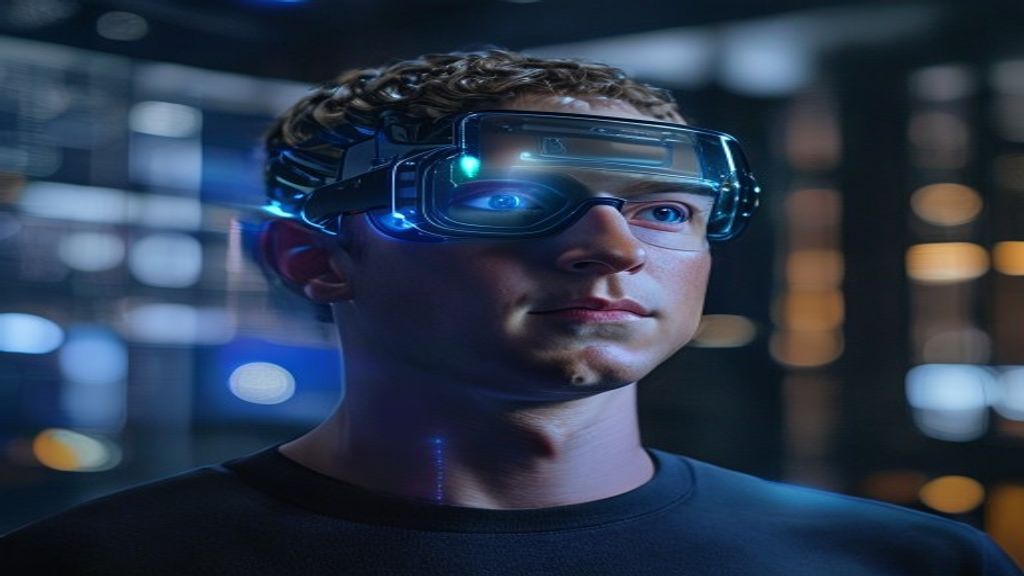
In a move that underscores the rapidly evolving landscape of corporate communication, Meta is developing an artificial intelligence version of its CEO, Mark Zuckerberg. This AI-powered character, designed to engage with employees in real-time, is part of Meta's broader strategy to integrate AI into the fabric of its operations. The initiative is particularly noteworthy given Meta's $1.6 trillion valuation, indicating a significant investment in AI technologies.
The concept of creating photorealistic, AI-driven 3D characters is not entirely new, but Meta's decision to prioritize a Zuckerberg AI character signals a shift towards more personalized and interactive internal communications. This development could potentially redefine how large corporations approach employee engagement, leveraging AI to simulate personal connections with leadership.
For everyday users, the implications of such technology extend beyond the corporate sphere. As AI-powered characters become more sophisticated, they could revolutionize customer service, education, and entertainment. From an industry perspective, this shift could reshape how companies interact with their workforce, potentially leading to more efficient communication and feedback loops.
The significance of Meta's move also lies in its potential to influence the broader tech industry. Competitors and smaller startups may be compelled to explore similar AI-driven solutions to stay competitive. Furthermore, the success or failure of Meta's AI-powered Mark Zuckerberg could serve as a benchmark for the feasibility of such technologies in corporate settings.
As Meta navigates this new territory, it faces the challenge of ensuring that its AI character embodies the ethos and values of the company without compromising on authenticity. The line between innovation and gimmickry is thin, and the company must tread carefully to avoid alienating its employees or appearing insincere in its approach to AI integration.
Ultimately, the development of an AI version of Mark Zuckerberg reflects Meta's commitment to embracing AI as a core component of its future. Whether this strategy yields positive outcomes for employee engagement, corporate culture, and ultimately, the company's bottom line, remains to be observed. However, one thing is clear: Meta's bet on AI is a significant one, with potential consequences that could reverberate across the tech industry for years to come.
The concept of creating photorealistic, AI-driven 3D characters is not entirely new, but Meta's decision to prioritize a Zuckerberg AI character signals a shift towards more personalized and interactive internal communications. This development could potentially redefine how large corporations approach employee engagement, leveraging AI to simulate personal connections with leadership.
For everyday users, the implications of such technology extend beyond the corporate sphere. As AI-powered characters become more sophisticated, they could revolutionize customer service, education, and entertainment. From an industry perspective, this shift could reshape how companies interact with their workforce, potentially leading to more efficient communication and feedback loops.
The significance of Meta's move also lies in its potential to influence the broader tech industry. Competitors and smaller startups may be compelled to explore similar AI-driven solutions to stay competitive. Furthermore, the success or failure of Meta's AI-powered Mark Zuckerberg could serve as a benchmark for the feasibility of such technologies in corporate settings.
As Meta navigates this new territory, it faces the challenge of ensuring that its AI character embodies the ethos and values of the company without compromising on authenticity. The line between innovation and gimmickry is thin, and the company must tread carefully to avoid alienating its employees or appearing insincere in its approach to AI integration.
Ultimately, the development of an AI version of Mark Zuckerberg reflects Meta's commitment to embracing AI as a core component of its future. Whether this strategy yields positive outcomes for employee engagement, corporate culture, and ultimately, the company's bottom line, remains to be observed. However, one thing is clear: Meta's bet on AI is a significant one, with potential consequences that could reverberate across the tech industry for years to come.