Microsoft Surface Devices Hit with $500 Price Hike Amid Global RAM Shortage
By TechGuru • 2026-04-14T00:00:29.980499
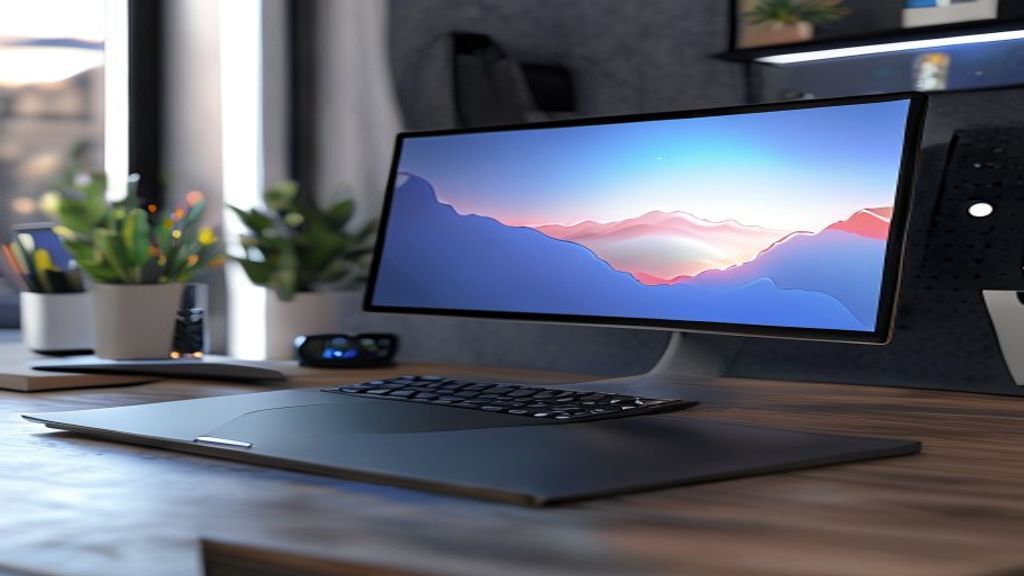
The global RAM shortage has officially taken its toll on Microsoft's Surface lineup, with the tech giant announcing a significant price increase across its Surface Pro and Surface Laptop devices. The 13-inch Surface Pro 11 and the 13.8-inch Surface Laptop 7 now start at $1,499, a whopping $500 more than their original starting price of $999.
This price hike comes as a result of the ongoing global RAM shortage, which has affected numerous tech companies and forced them to reassess their production costs. Microsoft had previously stopped selling the $999 versions of the Surface Pro 11 and the 13.8-inch Surface Laptop 7, opting instead for the $1,199 models with increased storage.
The implications of this price increase extend beyond Microsoft, affecting consumers and businesses alike. For everyday users, the higher cost of Surface devices may lead them to explore alternative options, potentially benefiting competitors such as Apple or Google. From an industry perspective, this shift could reshape how companies approach device pricing and production, with a greater emphasis on adaptability and cost management.
The global RAM shortage has been a major challenge for tech companies, with many struggling to maintain production levels and meet demand. Microsoft's decision to raise prices may be seen as a necessary evil, but it also underscores the need for innovative solutions to mitigate the effects of the shortage. As the tech industry continues to evolve, companies will need to find ways to navigate these challenges and maintain a competitive edge.
In the short term, the price increase may lead to a decline in sales for Microsoft's Surface devices, as consumers may be deterred by the higher cost. However, the company may also benefit from the increased revenue generated by the price hike, allowing it to invest in research and development and stay ahead of the competition. Ultimately, the impact of the price increase will depend on how Microsoft chooses to navigate the ongoing RAM shortage and adapt to the changing tech landscape.
The situation highlights the complex interplay between technology, economics, and consumer behavior. As companies like Microsoft continue to innovate and push the boundaries of what is possible, they must also contend with the practical realities of production and pricing. The global RAM shortage serves as a reminder that even the most advanced technologies are not immune to the challenges of the physical world.
In conclusion, the price increase of Microsoft's Surface devices is a significant development that reflects the broader challenges facing the tech industry. As companies navigate the complexities of the global RAM shortage, they must also prioritize innovation, adaptability, and customer satisfaction. The future of the tech industry will depend on how effectively companies can balance these competing demands and create products that meet the evolving needs of consumers.
This price hike comes as a result of the ongoing global RAM shortage, which has affected numerous tech companies and forced them to reassess their production costs. Microsoft had previously stopped selling the $999 versions of the Surface Pro 11 and the 13.8-inch Surface Laptop 7, opting instead for the $1,199 models with increased storage.
The implications of this price increase extend beyond Microsoft, affecting consumers and businesses alike. For everyday users, the higher cost of Surface devices may lead them to explore alternative options, potentially benefiting competitors such as Apple or Google. From an industry perspective, this shift could reshape how companies approach device pricing and production, with a greater emphasis on adaptability and cost management.
The global RAM shortage has been a major challenge for tech companies, with many struggling to maintain production levels and meet demand. Microsoft's decision to raise prices may be seen as a necessary evil, but it also underscores the need for innovative solutions to mitigate the effects of the shortage. As the tech industry continues to evolve, companies will need to find ways to navigate these challenges and maintain a competitive edge.
In the short term, the price increase may lead to a decline in sales for Microsoft's Surface devices, as consumers may be deterred by the higher cost. However, the company may also benefit from the increased revenue generated by the price hike, allowing it to invest in research and development and stay ahead of the competition. Ultimately, the impact of the price increase will depend on how Microsoft chooses to navigate the ongoing RAM shortage and adapt to the changing tech landscape.
The situation highlights the complex interplay between technology, economics, and consumer behavior. As companies like Microsoft continue to innovate and push the boundaries of what is possible, they must also contend with the practical realities of production and pricing. The global RAM shortage serves as a reminder that even the most advanced technologies are not immune to the challenges of the physical world.
In conclusion, the price increase of Microsoft's Surface devices is a significant development that reflects the broader challenges facing the tech industry. As companies navigate the complexities of the global RAM shortage, they must also prioritize innovation, adaptability, and customer satisfaction. The future of the tech industry will depend on how effectively companies can balance these competing demands and create products that meet the evolving needs of consumers.