Meta's $135B AI Gambit: How Quest Headset Prices Are Set to Rise by 20%
By Freecker • 2026-04-17T21:00:24.652648
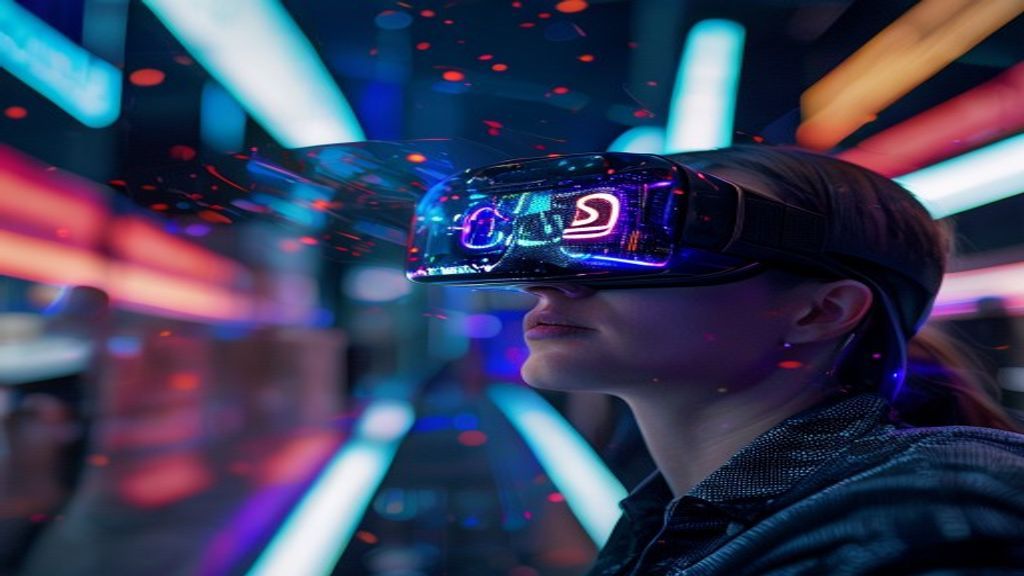
The recent announcement from Meta that its Quest VR headsets will see a price increase of $50–$100, or about 12–20 percent, starting April 19, has significant implications for both consumers and the tech industry. This price hike is attributed to the global surge in the cost of critical components, such as memory chips, which are essential for VR technology. However, what sets Meta apart from other companies facing similar price increases is its own substantial investment in AI infrastructure, totaling between $115 billion and $135 billion for this year alone.
This massive spending on AI is a strategic move by Meta to stay competitive in the AI superintelligence race. The company has recently invested $21 billion in the data center company CoreWeave, in addition to its initial commitment of $14.2 billion, and has also pledged an extra $10 billion towards a planned data center in El Paso, significantly upping its initial commitment of $1.5 billion.
The implications of Meta's AI spending spree extend beyond the price increase of its Quest headsets. For everyday users, this could mean a delay in the adoption of VR technology due to higher costs. From an industry perspective, Meta's move signifies a significant shift towards AI-driven technologies, potentially forcing other companies to follow suit or risk being left behind. This shift could reshape how tech companies allocate their resources, with a greater emphasis on AI infrastructure.
The increase in component prices due to Meta's AI investments also highlights the complex interplay between different sectors of the tech industry. As companies like Meta drive up demand for certain components, the prices of these components increase, affecting not just VR headsets but potentially a wide range of consumer electronics. This could lead to a broader market effect, where the cost of various electronic devices increases, impacting consumer spending habits and possibly slowing down the adoption of new technologies.
In conclusion, Meta's decision to significantly increase its spending on AI infrastructure has far-reaching consequences, from the immediate price hike of its Quest headsets to the potential long-term effects on the tech industry and consumer electronics market. As the tech landscape continues to evolve, with AI playing an increasingly central role, companies and consumers alike will need to adapt to these changes, navigating the trade-offs between innovation, affordability, and strategic competitiveness.
The strategic significance of Meta's move cannot be overstated. By committing such vast resources to AI, the company is not only positioning itself for the future of technology but also influencing the direction of the entire industry. This investment in AI infrastructure will likely spur further innovation, potentially leading to breakthroughs in fields beyond VR, such as augmented reality, natural language processing, and more. However, the immediate cost to consumers and the potential for a broader impact on the electronics market serve as a reminder of the complex and multifaceted nature of technological advancement.
This massive spending on AI is a strategic move by Meta to stay competitive in the AI superintelligence race. The company has recently invested $21 billion in the data center company CoreWeave, in addition to its initial commitment of $14.2 billion, and has also pledged an extra $10 billion towards a planned data center in El Paso, significantly upping its initial commitment of $1.5 billion.
The implications of Meta's AI spending spree extend beyond the price increase of its Quest headsets. For everyday users, this could mean a delay in the adoption of VR technology due to higher costs. From an industry perspective, Meta's move signifies a significant shift towards AI-driven technologies, potentially forcing other companies to follow suit or risk being left behind. This shift could reshape how tech companies allocate their resources, with a greater emphasis on AI infrastructure.
The increase in component prices due to Meta's AI investments also highlights the complex interplay between different sectors of the tech industry. As companies like Meta drive up demand for certain components, the prices of these components increase, affecting not just VR headsets but potentially a wide range of consumer electronics. This could lead to a broader market effect, where the cost of various electronic devices increases, impacting consumer spending habits and possibly slowing down the adoption of new technologies.
In conclusion, Meta's decision to significantly increase its spending on AI infrastructure has far-reaching consequences, from the immediate price hike of its Quest headsets to the potential long-term effects on the tech industry and consumer electronics market. As the tech landscape continues to evolve, with AI playing an increasingly central role, companies and consumers alike will need to adapt to these changes, navigating the trade-offs between innovation, affordability, and strategic competitiveness.
The strategic significance of Meta's move cannot be overstated. By committing such vast resources to AI, the company is not only positioning itself for the future of technology but also influencing the direction of the entire industry. This investment in AI infrastructure will likely spur further innovation, potentially leading to breakthroughs in fields beyond VR, such as augmented reality, natural language processing, and more. However, the immediate cost to consumers and the potential for a broader impact on the electronics market serve as a reminder of the complex and multifaceted nature of technological advancement.