OpenAI's ChatGPT Images 2.0 Revolutionizes AI-Generated Art with Web Search Capabilities
By TechGuru • 2026-04-22T05:00:15.562745
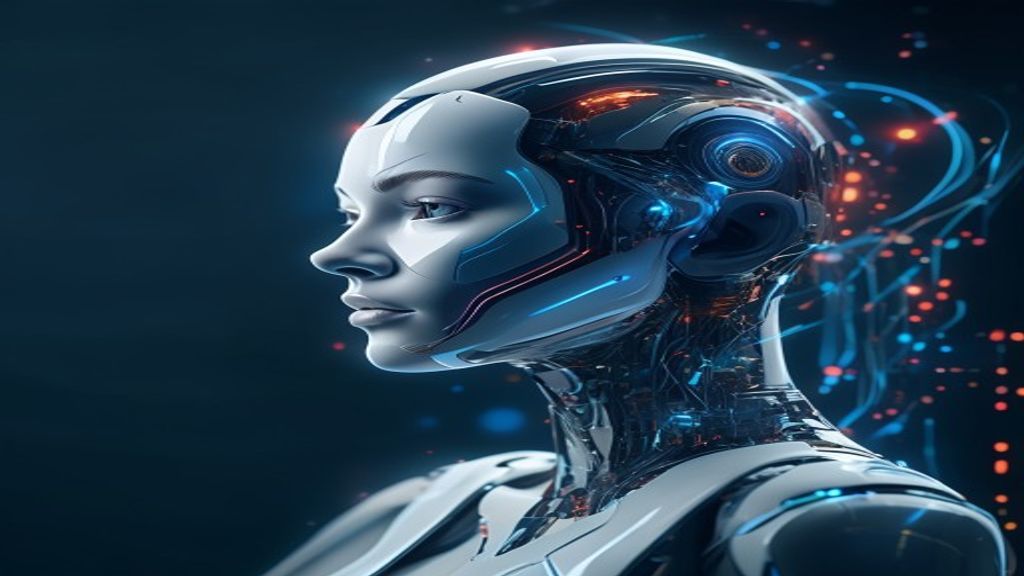
The AI landscape has witnessed a significant shift with OpenAI's rollout of ChatGPT Images 2.0, an enhanced version of its image generator that now boasts the ability to pull information from the web. This update is poised to redefine the boundaries of AI-generated art, offering users unprecedented creative capabilities.
Historically, AI image generators have been limited by their datasets, often resulting in outputs that lack the depth and complexity of human-created art. OpenAI's introduction of the GPT Image 2 model, available to ChatGPT Plus, Pro, Business, and Enterprise subscribers, changes this narrative. By enabling the image generator to search the web, OpenAI has effectively bridged the gap between the digital and the real world, allowing for the creation of more sophisticated and contextually relevant images.
For developers and artists, this development opens up new avenues for creativity and innovation. The ability to generate multiple images from a single prompt, coupled with improved text generation and detail preservation, means that the potential applications of AI in art, design, and even education are vast. Furthermore, the implications extend beyond the creative industries; this technology could reshape how we approach visual communication and content creation across various sectors.
From an industry perspective, OpenAI's move sets a new standard for AI image generation, challenging competitors to innovate and improve their offerings. The race towards more advanced AI capabilities is intensifying, with significant investments being made in research and development. As these technologies evolve, we can expect to see more seamless integrations of AI into everyday life, from personalized advertising to enhanced educational materials.
For everyday users, this could mean accessing a powerful tool for self-expression and creativity, potentially democratizing art and design. However, it also raises important questions about copyright, ownership, and the ethical use of AI-generated content. As we move forward, addressing these concerns will be crucial to ensuring that the benefits of AI are equitably distributed and that its development aligns with societal values.
The future of AI-generated art looks promising, with OpenAI at the forefront of this revolution. As ChatGPT Images 2.0 begins to make its mark, one thing is clear: the intersection of AI and creativity is an area ripe for exploration and innovation, with the potential to transform how we interact with and understand visual content.