Sony's Ace Robot Outmaneuvers Top Ping-Pong Players: A New Era for AI in Sports
By TechGuru • 2026-04-23T05:00:23.067909
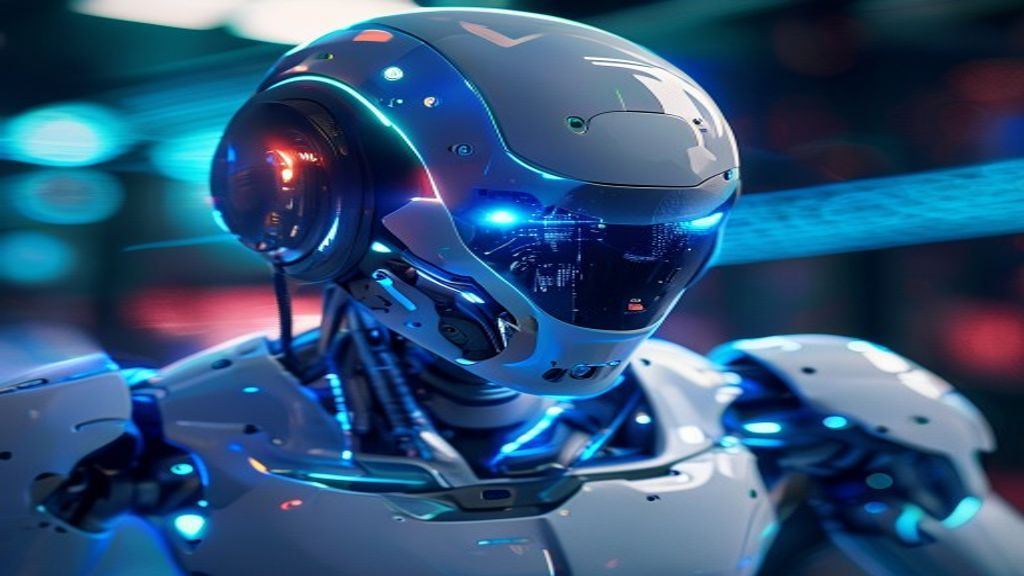
In a groundbreaking achievement, Sony's AI division has unveiled Ace, the first robot capable of beating top-ranked human players in ping-pong, adhering to the official rules of the International Table Tennis Federation (ITTF). This milestone signifies a major leap in the development of artificial intelligence in sports, where physical prowess and rapid decision-making are paramount. Unlike previous robots that could only challenge amateur players, Ace's advanced technology allows it to compete against the best, occasionally emerging victorious.
The journey to creating Ace was not straightforward. For decades, engineers have been working on robots that can play ping-pong, with notable examples like Omron's FOREPHUS, which competed against amateur players at CES 2017. However, these machines were far from being able to challenge the world's top players. The hurdle was not just about precision and speed but also about understanding the game's intricacies and adapting to different playing styles.
Ace's success can be attributed to its advanced AI system, which is capable of learning and improving over time. This technology enables the robot to analyze its opponents' moves, predict their strategies, and adjust its gameplay accordingly. The implications of such technology extend beyond the realm of sports, suggesting potential applications in fields that require fast, accurate, and adaptive decision-making.
For everyday users, the development of Ace might seem like a novelty, but it highlights the rapid advancement of AI in physical domains. As robots become more adept at complex tasks, we can expect to see significant changes in various industries, from manufacturing to healthcare. The ability of a machine to outmaneuver a human in a fast-paced, strategic game like ping-pong underscores the potential for AI to augment human capabilities in numerous areas.
From an industry perspective, Sony's achievement sets a new benchmark for AI research and development. It challenges other tech giants to push the boundaries of what is possible with artificial intelligence, particularly in areas that require physical interaction and strategic thinking. This competition is likely to drive innovation, leading to breakthroughs that could transform how we approach complex tasks.
The broader societal impact of robots like Ace is multifaceted. On one hand, they demonstrate the potential for machines to assist or even surpass human performance in demanding tasks, which could lead to significant productivity gains and improvements in safety. On the other hand, the development of such advanced robots raises questions about the future of human employment and the need for education and training programs that can equip workers with skills that complement AI capabilities.
In conclusion, Sony's Ace robot represents a pivotal moment in the evolution of AI in sports and beyond. Its ability to outplay top-ranked ping-pong players not only showcases the current state of AI technology but also foreshadows a future where machines and humans collaborate and compete in increasingly complex and sophisticated ways.
The journey to creating Ace was not straightforward. For decades, engineers have been working on robots that can play ping-pong, with notable examples like Omron's FOREPHUS, which competed against amateur players at CES 2017. However, these machines were far from being able to challenge the world's top players. The hurdle was not just about precision and speed but also about understanding the game's intricacies and adapting to different playing styles.
Ace's success can be attributed to its advanced AI system, which is capable of learning and improving over time. This technology enables the robot to analyze its opponents' moves, predict their strategies, and adjust its gameplay accordingly. The implications of such technology extend beyond the realm of sports, suggesting potential applications in fields that require fast, accurate, and adaptive decision-making.
For everyday users, the development of Ace might seem like a novelty, but it highlights the rapid advancement of AI in physical domains. As robots become more adept at complex tasks, we can expect to see significant changes in various industries, from manufacturing to healthcare. The ability of a machine to outmaneuver a human in a fast-paced, strategic game like ping-pong underscores the potential for AI to augment human capabilities in numerous areas.
From an industry perspective, Sony's achievement sets a new benchmark for AI research and development. It challenges other tech giants to push the boundaries of what is possible with artificial intelligence, particularly in areas that require physical interaction and strategic thinking. This competition is likely to drive innovation, leading to breakthroughs that could transform how we approach complex tasks.
The broader societal impact of robots like Ace is multifaceted. On one hand, they demonstrate the potential for machines to assist or even surpass human performance in demanding tasks, which could lead to significant productivity gains and improvements in safety. On the other hand, the development of such advanced robots raises questions about the future of human employment and the need for education and training programs that can equip workers with skills that complement AI capabilities.
In conclusion, Sony's Ace robot represents a pivotal moment in the evolution of AI in sports and beyond. Its ability to outplay top-ranked ping-pong players not only showcases the current state of AI technology but also foreshadows a future where machines and humans collaborate and compete in increasingly complex and sophisticated ways.