Tesla's Q1 Revenue Surges 25%: How EV Sales and FSD Subscriptions Are Driving Growth
By Freecker • 2026-04-23T01:00:36.130118
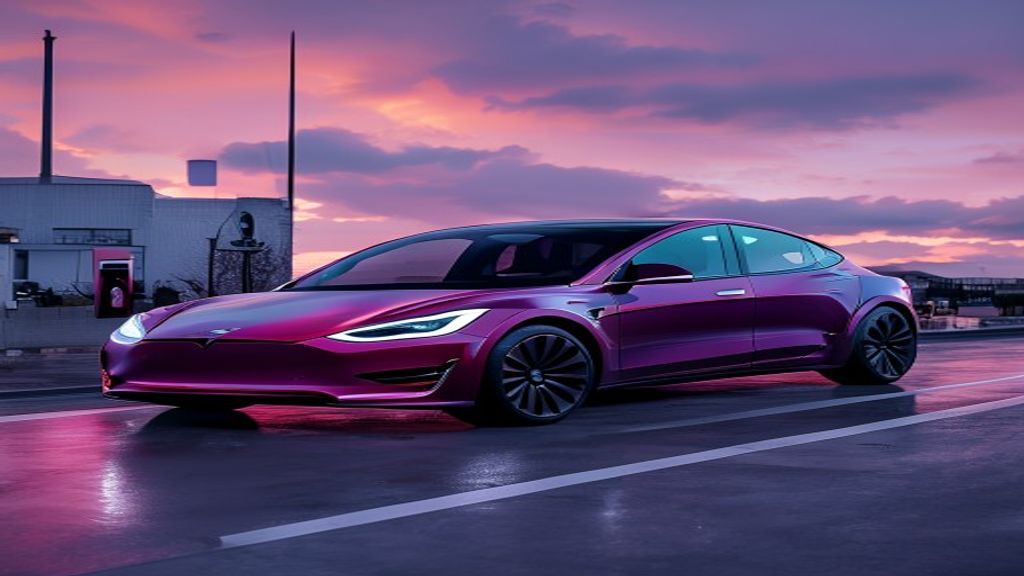
Tesla's first-quarter revenue has seen a notable rebound, fueled by a significant increase in electric vehicle sales and a substantial surge in Full Self-Driving (FSD) subscriptions. This uptick in revenue is particularly noteworthy given the company's substantial investments in futuristic technologies such as robotics, artificial intelligence, and its own chip fabrication facility. The electric vehicle giant's strategic bets on these emerging technologies underscore its commitment to innovation and its vision for a future where sustainable energy and autonomous driving converge.
The automotive industry has been witnessing a seismic shift towards electric vehicles, with Tesla at the forefront of this revolution. The company's relentless pursuit of perfection in EV design, coupled with its expansive Supercharger network, has made it a leader in the market. Moreover, the aggressive pricing strategy and continuous software updates have enhanced the appeal of Tesla's vehicles, attracting a broader customer base.
For everyday users, this could mean access to more affordable, environmentally friendly transportation options. The implications extend beyond individual consumers, as the widespread adoption of EVs could significantly reduce carbon emissions, contributing to a cleaner environment. From an industry perspective, Tesla's success in EV sales and FSD subscriptions sets a high bar for competitors, pushing the boundaries of innovation and forcing other manufacturers to reassess their strategies.
The growth in FSD subscriptions is particularly significant, as it indicates a growing trust in autonomous driving technology. This shift could reshape how we think about transportation, making it safer, more efficient, and potentially reducing the number of vehicles on the road. As Tesla continues to invest heavily in AI and robotics, the potential for future breakthroughs in autonomous driving and smart manufacturing is vast. The company's ability to balance short-term financial performance with long-term strategic investments will be crucial in determining its success in a rapidly evolving technological landscape.
Tesla's financial performance is a testament to the viability of the electric vehicle market and the potential for technology to drive sustainability. As the world moves towards a more environmentally conscious future, companies like Tesla are at the vanguard, pushing the boundaries of what is possible. The future of transportation is not just about vehicles; it's about creating an ecosystem that supports sustainable living. Tesla's Q1 results are more than just a financial report; they represent a milestone in the journey towards a cleaner, more technologically advanced world.
The challenge for Tesla now is to sustain this growth while navigating the complexities of expanding its product lineup, improving manufacturing efficiency, and dealing with regulatory hurdles. The race to dominate the EV market is intensifying, with several competitors launching their own electric models. However, Tesla's head start, brand loyalty, and continuous innovation give it a competitive edge. As the company looks to the future, its ability to execute on its strategic vision will be key to maintaining its leadership position in the industry.
The automotive industry has been witnessing a seismic shift towards electric vehicles, with Tesla at the forefront of this revolution. The company's relentless pursuit of perfection in EV design, coupled with its expansive Supercharger network, has made it a leader in the market. Moreover, the aggressive pricing strategy and continuous software updates have enhanced the appeal of Tesla's vehicles, attracting a broader customer base.
For everyday users, this could mean access to more affordable, environmentally friendly transportation options. The implications extend beyond individual consumers, as the widespread adoption of EVs could significantly reduce carbon emissions, contributing to a cleaner environment. From an industry perspective, Tesla's success in EV sales and FSD subscriptions sets a high bar for competitors, pushing the boundaries of innovation and forcing other manufacturers to reassess their strategies.
The growth in FSD subscriptions is particularly significant, as it indicates a growing trust in autonomous driving technology. This shift could reshape how we think about transportation, making it safer, more efficient, and potentially reducing the number of vehicles on the road. As Tesla continues to invest heavily in AI and robotics, the potential for future breakthroughs in autonomous driving and smart manufacturing is vast. The company's ability to balance short-term financial performance with long-term strategic investments will be crucial in determining its success in a rapidly evolving technological landscape.
Tesla's financial performance is a testament to the viability of the electric vehicle market and the potential for technology to drive sustainability. As the world moves towards a more environmentally conscious future, companies like Tesla are at the vanguard, pushing the boundaries of what is possible. The future of transportation is not just about vehicles; it's about creating an ecosystem that supports sustainable living. Tesla's Q1 results are more than just a financial report; they represent a milestone in the journey towards a cleaner, more technologically advanced world.
The challenge for Tesla now is to sustain this growth while navigating the complexities of expanding its product lineup, improving manufacturing efficiency, and dealing with regulatory hurdles. The race to dominate the EV market is intensifying, with several competitors launching their own electric models. However, Tesla's head start, brand loyalty, and continuous innovation give it a competitive edge. As the company looks to the future, its ability to execute on its strategic vision will be key to maintaining its leadership position in the industry.