Revolutionizing Virtual Exploration: Insta360 and Splatica Bring DIY 3D Mapping to the Masses
By JTZ • 2026-04-26T18:00:19.966697
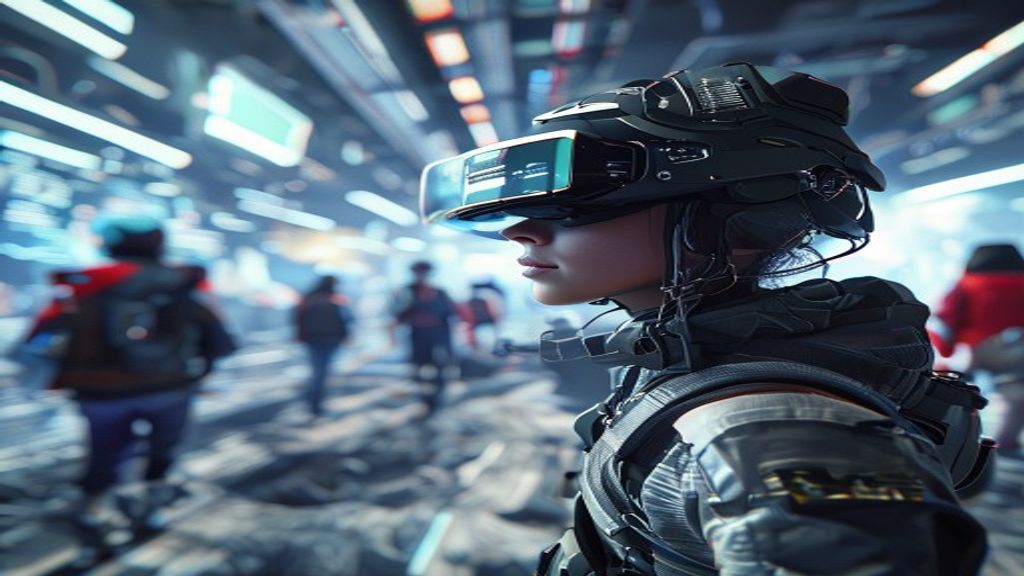
Imagine being able to digitally recreate any real-world environment in photorealistic 3D, without the need for expensive equipment or professional expertise. This is now a reality, thanks to a groundbreaking partnership between Insta360, the leading maker of 360-degree cameras, and Splatica, a 12-person UK startup. Their collaboration has made it possible for creators to harness the power of Gaussian splatting, a technology that promises to democratize 3D mapping.
The implications of this development are far-reaching. For one, it means that individuals and businesses can now create immersive, interactive 3D experiences without breaking the bank. This could be a game-changer for industries such as real estate, tourism, and education, where virtual exploration can enhance customer engagement and learning outcomes.
From a technical perspective, the key to this innovation lies in the combination of Insta360's high-quality 360-degree cameras and Splatica's subscription-based service, which handles the complex processing required to generate 3D models from 2D images. This streamlined process makes it accessible to a wide range of users, from hobbyists to professionals.
The potential applications of this technology are vast. For instance, property developers could use it to create virtual tours of buildings and apartments, allowing potential buyers to explore properties remotely. Similarly, travel companies could use it to offer immersive previews of destinations, helping customers make more informed decisions about their trips.
The partnership between Insta360 and Splatica is a significant development in the field of 3D mapping, and its impact will be felt across various industries. As the technology continues to evolve, we can expect to see even more innovative applications of Gaussian splatting, further blurring the lines between the physical and digital worlds.
For everyday users, this could mean a new level of interactivity and engagement with digital content. Imagine being able to explore historical landmarks, museums, or even fantasy worlds in stunning 3D, all from the comfort of your own home. The possibilities are endless, and it will be exciting to see how creators and developers leverage this technology to push the boundaries of what is possible.
In conclusion, the collaboration between Insta360 and Splatica represents a major breakthrough in the field of 3D mapping, and its implications extend far beyond the tech world. As this technology continues to mature, we can expect to see significant changes in the way we interact with digital environments, and the potential benefits for industries and individuals alike are substantial.
The implications of this development are far-reaching. For one, it means that individuals and businesses can now create immersive, interactive 3D experiences without breaking the bank. This could be a game-changer for industries such as real estate, tourism, and education, where virtual exploration can enhance customer engagement and learning outcomes.
From a technical perspective, the key to this innovation lies in the combination of Insta360's high-quality 360-degree cameras and Splatica's subscription-based service, which handles the complex processing required to generate 3D models from 2D images. This streamlined process makes it accessible to a wide range of users, from hobbyists to professionals.
The potential applications of this technology are vast. For instance, property developers could use it to create virtual tours of buildings and apartments, allowing potential buyers to explore properties remotely. Similarly, travel companies could use it to offer immersive previews of destinations, helping customers make more informed decisions about their trips.
The partnership between Insta360 and Splatica is a significant development in the field of 3D mapping, and its impact will be felt across various industries. As the technology continues to evolve, we can expect to see even more innovative applications of Gaussian splatting, further blurring the lines between the physical and digital worlds.
For everyday users, this could mean a new level of interactivity and engagement with digital content. Imagine being able to explore historical landmarks, museums, or even fantasy worlds in stunning 3D, all from the comfort of your own home. The possibilities are endless, and it will be exciting to see how creators and developers leverage this technology to push the boundaries of what is possible.
In conclusion, the collaboration between Insta360 and Splatica represents a major breakthrough in the field of 3D mapping, and its implications extend far beyond the tech world. As this technology continues to mature, we can expect to see significant changes in the way we interact with digital environments, and the potential benefits for industries and individuals alike are substantial.