Revolutionizing Auto Design: AI-Generated Cars Set to Disrupt the Industry by 30%
By Libertarian • 2026-04-27T15:00:17.940515
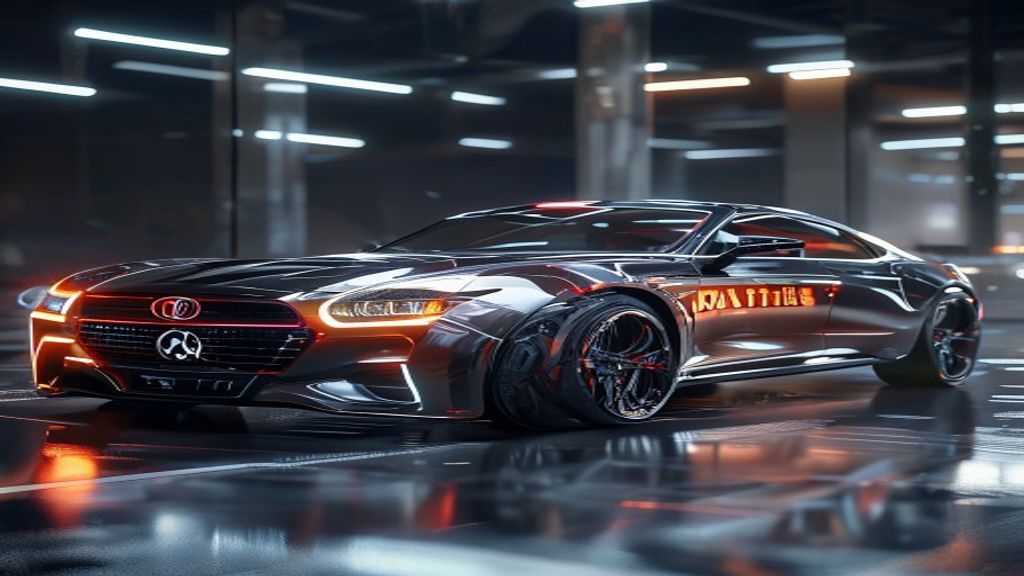
The automotive design landscape is on the cusp of a significant transformation, driven by the integration of artificial intelligence (AI) in the design process. Traditionally, the journey from concept to production-ready vehicle has been lengthy, often taking five years or more. This protracted timeline means that cars being unveiled today were first conceptualized in the early 2020s, a period when the automotive industry was navigating a complex web of alternative fuel incentives and evolving consumer preferences.
The advent of AI-designed cars promises to revolutionize this process, leveraging advanced algorithms to generate designs that are not only aesthetically pleasing but also optimized for performance, sustainability, and safety. By automating the initial design phases, AI can significantly reduce the development time, potentially cutting it by as much as 30%. This acceleration could enable car manufacturers to respond more agilely to market trends and consumer demands, thereby gaining a competitive edge.
For everyday users, the implications of AI-generated car designs are multifaceted. On one hand, it could lead to a more diverse range of vehicle designs, as AI systems are capable of exploring a vast design space that might elude human designers. On the other hand, there are concerns about the homogenization of design, as different manufacturers might rely on similar AI tools, potentially resulting in a loss of brand identity.
From an industry perspective, the shift towards AI-designed cars underscores the need for automotive designers to acquire new skills, focusing on how to collaborate effectively with AI systems. This collaboration could redefine the role of the human designer, emphasizing strategic decision-making and creative oversight rather than manual drafting and rendering.
The broader societal effects of AI in auto design are also worth considering. As AI-generated vehicles become more prevalent, there could be significant environmental benefits, such as reduced material waste during the design and testing phases. Moreover, the potential for AI to optimize vehicle performance could lead to better fuel efficiency and lower emissions, contributing to a more sustainable transportation sector.
In conclusion, the emergence of AI-designed cars signals a pivotal moment in the history of automotive design. As this technology continues to evolve, it will be intriguing to observe how it reshapes the industry, from the creative process to the final product, and how consumers respond to vehicles that are, in part, created by machines.