Elon Musk's Unconvincing Testimony: What It Means for the Future of OpenAI
By Libertarian • 2026-04-29T02:00:25.619836
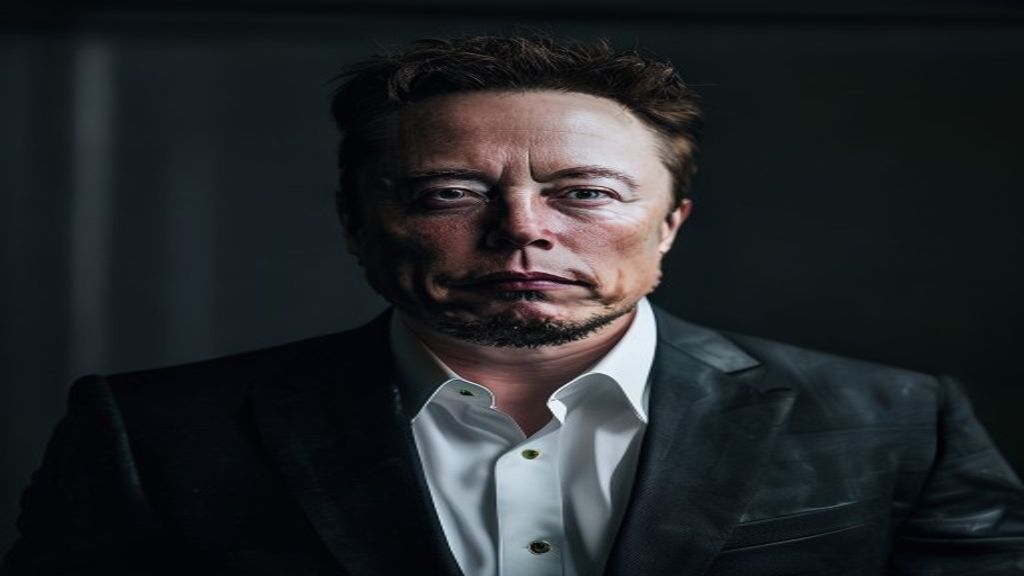
The highly anticipated trial of Musk v. Altman has begun, with Elon Musk taking the stand as the first witness. In a surprising turn of events, Musk appeared unprepared and lacking his usual charm, a stark contrast to his previous courtroom demeanor during his defamation suit. The focus of the trial is on whether Sam Altman strayed from OpenAI's mission, yet Musk spent a significant amount of time discussing his own contributions to the organization. This raised eyebrows, as the direct examination is typically used to tell a clear narrative through strategic questioning. Musk's decision to divert attention to his own achievements may indicate a lack of confidence in his case or a misguided attempt to sway the jury with his personal accomplishments.
The implications of this trial extend far beyond the courtroom, potentially impacting the future of artificial intelligence development. OpenAI, a company at the forefront of AI research, is facing internal conflicts that could hinder its ability to innovate and compete in the rapidly evolving tech landscape. For everyday users, the outcome of this trial could mean significant changes in the availability and functionality of AI-powered tools and services. From an industry perspective, the trial highlights the challenges of managing talent and vision in startups, especially those at the cutting edge of technology.
As the trial progresses, it will be crucial to observe how Musk's testimony is received by the jury and how it influences the overall outcome. The verdict will not only determine the future of OpenAI but also set a precedent for how tech companies handle internal conflicts and mission drift. This shift could reshape how startups approach leadership, innovation, and the pursuit of their founding principles. With the tech world watching, the consequences of this trial will be felt far beyond the confines of the courtroom, potentially paving the way for a new era in AI development and corporate governance.
In the broader context, the trial of Musk v. Altman underscores the complexities and challenges faced by tech companies as they navigate rapid growth, innovation, and internal power struggles. The ability of these companies to manage their missions and visions will be crucial in determining their success and impact on society. As such, the outcome of this trial will be closely watched by investors, developers, and consumers alike, all of whom have a stake in the future of AI and its applications.
The legal and ethical implications of the trial are also noteworthy, as they touch on issues of corporate governance, leadership accountability, and the responsibility of tech companies to their stakeholders. The verdict will likely have far-reaching consequences, influencing how companies approach these issues and potentially leading to changes in regulatory frameworks and industry standards. Ultimately, the trial of Musk v. Altman serves as a reminder of the importance of effective leadership, clear vision, and strong governance in the tech industry, and its outcome will have lasting impacts on the development and application of AI.
The implications of this trial extend far beyond the courtroom, potentially impacting the future of artificial intelligence development. OpenAI, a company at the forefront of AI research, is facing internal conflicts that could hinder its ability to innovate and compete in the rapidly evolving tech landscape. For everyday users, the outcome of this trial could mean significant changes in the availability and functionality of AI-powered tools and services. From an industry perspective, the trial highlights the challenges of managing talent and vision in startups, especially those at the cutting edge of technology.
As the trial progresses, it will be crucial to observe how Musk's testimony is received by the jury and how it influences the overall outcome. The verdict will not only determine the future of OpenAI but also set a precedent for how tech companies handle internal conflicts and mission drift. This shift could reshape how startups approach leadership, innovation, and the pursuit of their founding principles. With the tech world watching, the consequences of this trial will be felt far beyond the confines of the courtroom, potentially paving the way for a new era in AI development and corporate governance.
In the broader context, the trial of Musk v. Altman underscores the complexities and challenges faced by tech companies as they navigate rapid growth, innovation, and internal power struggles. The ability of these companies to manage their missions and visions will be crucial in determining their success and impact on society. As such, the outcome of this trial will be closely watched by investors, developers, and consumers alike, all of whom have a stake in the future of AI and its applications.
The legal and ethical implications of the trial are also noteworthy, as they touch on issues of corporate governance, leadership accountability, and the responsibility of tech companies to their stakeholders. The verdict will likely have far-reaching consequences, influencing how companies approach these issues and potentially leading to changes in regulatory frameworks and industry standards. Ultimately, the trial of Musk v. Altman serves as a reminder of the importance of effective leadership, clear vision, and strong governance in the tech industry, and its outcome will have lasting impacts on the development and application of AI.