Scout AI's $100M Boost: How Autonomous Vehicles Will Revolutionize Modern Warfare
By JTZ • 2026-04-29T14:00:37.967690
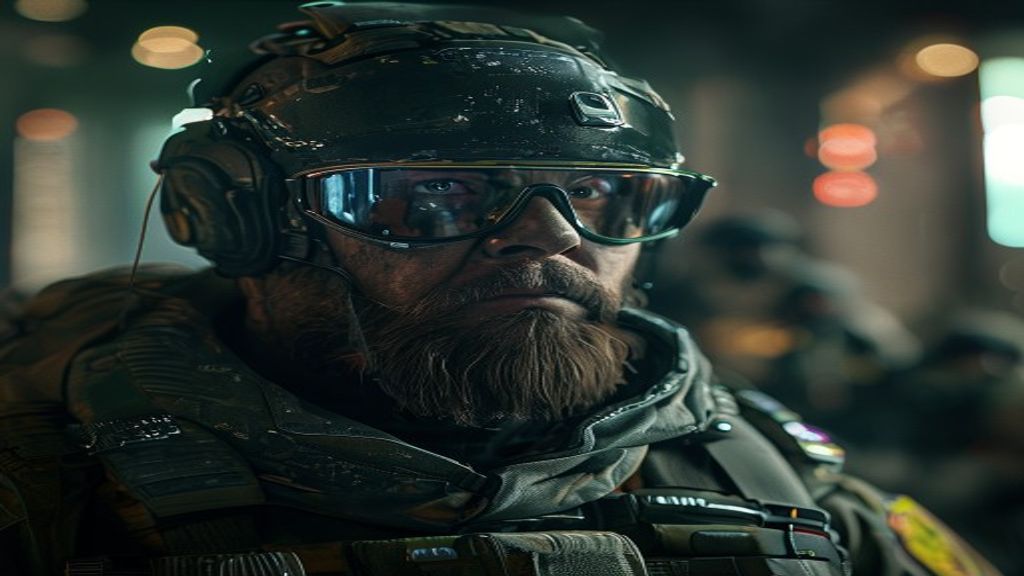
The landscape of modern warfare is on the cusp of a significant transformation, courtesy of Scout AI's recent $100 million funding round. This substantial investment is aimed at enhancing the company's AI models, specifically designed to empower individual soldiers with the capability to control fleets of autonomous vehicles. The implications of such technology are profound, suggesting a future where military operations become more efficient, precise, and potentially less hazardous for human soldiers.
The concept of autonomous vehicles in warfare is not entirely new, but Scout AI's approach, as observed at their training ground, introduces a level of sophistication and real-time adaptability that sets it apart. The AI agents are being trained to navigate complex terrains, make tactical decisions, and collaborate with human counterparts seamlessly. This integration of AI and human strategy could redefine the dynamics of military engagements, offering unparalleled advantages in terms of speed, accuracy, and the ability to overwhelm adversaries with sheer volume of autonomous assets.
For everyday users, the development might seem distant, but its impact on the broader technological ecosystem could be significant. The advancements in AI and autonomous systems for military use often trickle down to civilian applications, potentially revolutionizing industries such as logistics, security, and even personal transportation. From an industry perspective, the race to develop autonomous military assets signals a new era of technological competition among nations and private entities, with each seeking to outmaneuver the others in capabilities and strategic advantages.
The shift towards autonomous warfare also raises critical questions about the future of military engagements and the ethical considerations surrounding the use of AI in conflict. As Scout AI and similar entities push the boundaries of what is possible, international bodies and governments will need to address these concerns, possibly leading to new regulations or treaties governing the use of autonomous weapons. The future of warfare, and indeed of international relations, may depend on how these technologies are developed, deployed, and controlled.
In conclusion, Scout AI's $100 million funding is more than just a financial transaction; it represents a pivotal moment in the evolution of modern warfare. As the world watches the development and potential deployment of these autonomous systems, one thing is clear: the nature of conflict is about to change in ways both seen and unforeseen, with Scout AI at the forefront of this revolution.
The concept of autonomous vehicles in warfare is not entirely new, but Scout AI's approach, as observed at their training ground, introduces a level of sophistication and real-time adaptability that sets it apart. The AI agents are being trained to navigate complex terrains, make tactical decisions, and collaborate with human counterparts seamlessly. This integration of AI and human strategy could redefine the dynamics of military engagements, offering unparalleled advantages in terms of speed, accuracy, and the ability to overwhelm adversaries with sheer volume of autonomous assets.
For everyday users, the development might seem distant, but its impact on the broader technological ecosystem could be significant. The advancements in AI and autonomous systems for military use often trickle down to civilian applications, potentially revolutionizing industries such as logistics, security, and even personal transportation. From an industry perspective, the race to develop autonomous military assets signals a new era of technological competition among nations and private entities, with each seeking to outmaneuver the others in capabilities and strategic advantages.
The shift towards autonomous warfare also raises critical questions about the future of military engagements and the ethical considerations surrounding the use of AI in conflict. As Scout AI and similar entities push the boundaries of what is possible, international bodies and governments will need to address these concerns, possibly leading to new regulations or treaties governing the use of autonomous weapons. The future of warfare, and indeed of international relations, may depend on how these technologies are developed, deployed, and controlled.
In conclusion, Scout AI's $100 million funding is more than just a financial transaction; it represents a pivotal moment in the evolution of modern warfare. As the world watches the development and potential deployment of these autonomous systems, one thing is clear: the nature of conflict is about to change in ways both seen and unforeseen, with Scout AI at the forefront of this revolution.