Oscars Draw a Line: AI-Generated Performances and Scripts Now Ineligible for Awards
By Satoshi Itamoto • 2026-05-02T21:00:12.919936
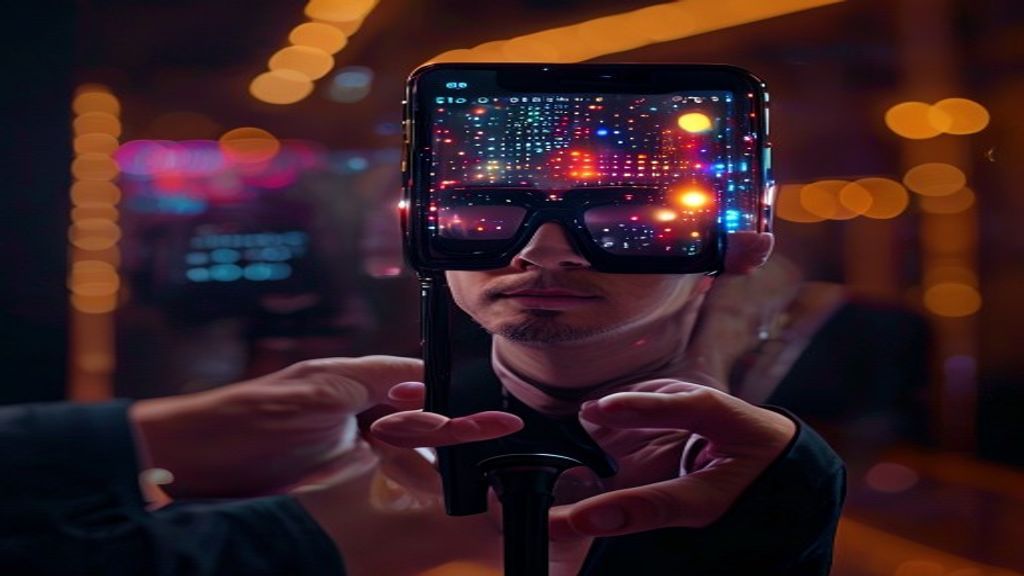
In a groundbreaking decision, the Academy of Motion Picture Arts and Sciences has announced that it will no longer consider films featuring AI-generated performances or screenplays for Oscar nominations. This move marks a significant shift in the film industry's stance on artificial intelligence, highlighting the growing debate over the role of human creativity in the face of technological advancements.
The decision comes at a time when AI technology has become increasingly sophisticated, allowing for the creation of realistic digital characters and automated scriptwriting tools. While these advancements have opened up new possibilities for filmmakers, they also raise important questions about authorship and the value of human creativity in the artistic process.
From a historical perspective, the film industry has always been driven by innovation, from the introduction of sound in the 1920s to the advent of computer-generated imagery (CGI) in the 1990s. However, the use of AI in filmmaking represents a fundamentally different kind of innovation, one that challenges traditional notions of creativity and authorship.
The implications of this decision extend beyond the film industry, highlighting broader societal concerns about the impact of AI on human employment and the value of creative work. For everyday users, this could mean a renewed focus on the importance of human creativity and the unique value it brings to artistic endeavors.
From an industry perspective, the ban on AI-generated performances and screenplays is likely to have significant consequences for filmmakers and studios that have invested heavily in AI technology. While some may view this decision as a setback, others see it as an opportunity to refocus on the development of more nuanced and human-centered storytelling.
The Academy's decision is also likely to have a ripple effect on other creative industries, such as music and literature, where AI-generated content is becoming increasingly prevalent. As these industries grapple with the implications of AI on their respective art forms, the Oscars' ban on AI-generated performances and screenplays serves as a powerful reminder of the importance of human creativity and the need to protect it in the face of technological change.
In conclusion, the Oscars' decision to ban AI-generated performances and screenplays from eligibility is a significant development that highlights the complex and often fraught relationship between technology and human creativity. As the film industry continues to evolve in response to technological advancements, it is clear that the value of human creativity will remain a vital and enduring part of the artistic process.
The film industry's response to this decision will be closely watched in the coming months, as studios and filmmakers navigate the implications of this new rule. One thing is certain, however: the Oscars' ban on AI-generated performances and screenplays marks a significant turning point in the debate over the role of AI in the creative industries, and its consequences will be felt for years to come.
In the end, the Academy's decision is a testament to the power of human creativity and the importance of preserving it in the face of technological change. As the film industry continues to push the boundaries of what is possible with AI, it is clear that the value of human imagination and creativity will remain at the heart of the artistic process.
For the average moviegoer, this decision may seem like a minor tweak to the Oscars' rules, but its implications are far-reaching. It highlights the tension between technology and art, and the need to protect the human element in creative endeavors. As AI continues to advance, it is likely that we will see more debates like this one, as industries grapple with the consequences of technological change.
The Oscars' decision is a significant step towards preserving the value of human creativity in the film industry, and its impact will be felt for years to come. As the industry continues to evolve, it is clear that the importance of human imagination and creativity will remain at the forefront of the artistic process.
In a world where technology is increasingly capable of mimicking human creativity, the Oscars' decision serves as a powerful reminder of the importance of preserving the human element in artistic endeavors. As we look to the future, it is clear that the tension between technology and art will only continue to grow, and the film industry's response to this challenge will be closely watched by industries around the world.
The ban on AI-generated performances and screenplays is a significant development that highlights the complex relationship between technology and human creativity. As the film industry continues to navigate the implications of this decision, it is clear that the value of human imagination and creativity will remain at the heart of the artistic process.
The implications of this decision extend far beyond the film industry, highlighting broader societal concerns about the impact of AI on human employment and the value of creative work. As we look to the future, it is clear that the importance of human creativity will only continue to grow, and the Oscars' decision serves as a powerful reminder of the need to protect it in the face of technological change.
The film industry's response to this decision will be closely watched in the coming months, as studios and filmmakers navigate the implications of this new rule. One thing is certain, however: the Oscars' ban on AI-generated performances and screenplays marks a significant turning point in the debate over the role of AI in the creative industries, and its consequences will be felt for years to come.
The Academy's decision is a testament to the power of human creativity and the importance of preserving it in the face of technological change. As the film industry continues to push the boundaries of what is possible with AI, it is clear that the value of human imagination and creativity will remain at the heart of the artistic process.
The decision comes at a time when AI technology has become increasingly sophisticated, allowing for the creation of realistic digital characters and automated scriptwriting tools. While these advancements have opened up new possibilities for filmmakers, they also raise important questions about authorship and the value of human creativity in the artistic process.
From a historical perspective, the film industry has always been driven by innovation, from the introduction of sound in the 1920s to the advent of computer-generated imagery (CGI) in the 1990s. However, the use of AI in filmmaking represents a fundamentally different kind of innovation, one that challenges traditional notions of creativity and authorship.
The implications of this decision extend beyond the film industry, highlighting broader societal concerns about the impact of AI on human employment and the value of creative work. For everyday users, this could mean a renewed focus on the importance of human creativity and the unique value it brings to artistic endeavors.
From an industry perspective, the ban on AI-generated performances and screenplays is likely to have significant consequences for filmmakers and studios that have invested heavily in AI technology. While some may view this decision as a setback, others see it as an opportunity to refocus on the development of more nuanced and human-centered storytelling.
The Academy's decision is also likely to have a ripple effect on other creative industries, such as music and literature, where AI-generated content is becoming increasingly prevalent. As these industries grapple with the implications of AI on their respective art forms, the Oscars' ban on AI-generated performances and screenplays serves as a powerful reminder of the importance of human creativity and the need to protect it in the face of technological change.
In conclusion, the Oscars' decision to ban AI-generated performances and screenplays from eligibility is a significant development that highlights the complex and often fraught relationship between technology and human creativity. As the film industry continues to evolve in response to technological advancements, it is clear that the value of human creativity will remain a vital and enduring part of the artistic process.
The film industry's response to this decision will be closely watched in the coming months, as studios and filmmakers navigate the implications of this new rule. One thing is certain, however: the Oscars' ban on AI-generated performances and screenplays marks a significant turning point in the debate over the role of AI in the creative industries, and its consequences will be felt for years to come.
In the end, the Academy's decision is a testament to the power of human creativity and the importance of preserving it in the face of technological change. As the film industry continues to push the boundaries of what is possible with AI, it is clear that the value of human imagination and creativity will remain at the heart of the artistic process.
For the average moviegoer, this decision may seem like a minor tweak to the Oscars' rules, but its implications are far-reaching. It highlights the tension between technology and art, and the need to protect the human element in creative endeavors. As AI continues to advance, it is likely that we will see more debates like this one, as industries grapple with the consequences of technological change.
The Oscars' decision is a significant step towards preserving the value of human creativity in the film industry, and its impact will be felt for years to come. As the industry continues to evolve, it is clear that the importance of human imagination and creativity will remain at the forefront of the artistic process.
In a world where technology is increasingly capable of mimicking human creativity, the Oscars' decision serves as a powerful reminder of the importance of preserving the human element in artistic endeavors. As we look to the future, it is clear that the tension between technology and art will only continue to grow, and the film industry's response to this challenge will be closely watched by industries around the world.
The ban on AI-generated performances and screenplays is a significant development that highlights the complex relationship between technology and human creativity. As the film industry continues to navigate the implications of this decision, it is clear that the value of human imagination and creativity will remain at the heart of the artistic process.
The implications of this decision extend far beyond the film industry, highlighting broader societal concerns about the impact of AI on human employment and the value of creative work. As we look to the future, it is clear that the importance of human creativity will only continue to grow, and the Oscars' decision serves as a powerful reminder of the need to protect it in the face of technological change.
The film industry's response to this decision will be closely watched in the coming months, as studios and filmmakers navigate the implications of this new rule. One thing is certain, however: the Oscars' ban on AI-generated performances and screenplays marks a significant turning point in the debate over the role of AI in the creative industries, and its consequences will be felt for years to come.
The Academy's decision is a testament to the power of human creativity and the importance of preserving it in the face of technological change. As the film industry continues to push the boundaries of what is possible with AI, it is clear that the value of human imagination and creativity will remain at the heart of the artistic process.