Colin Angle's New Venture Unveils 'Familiar': A Robot Companion That Redefines Home Interaction
By JTZ • 2026-05-04T20:00:13.137509
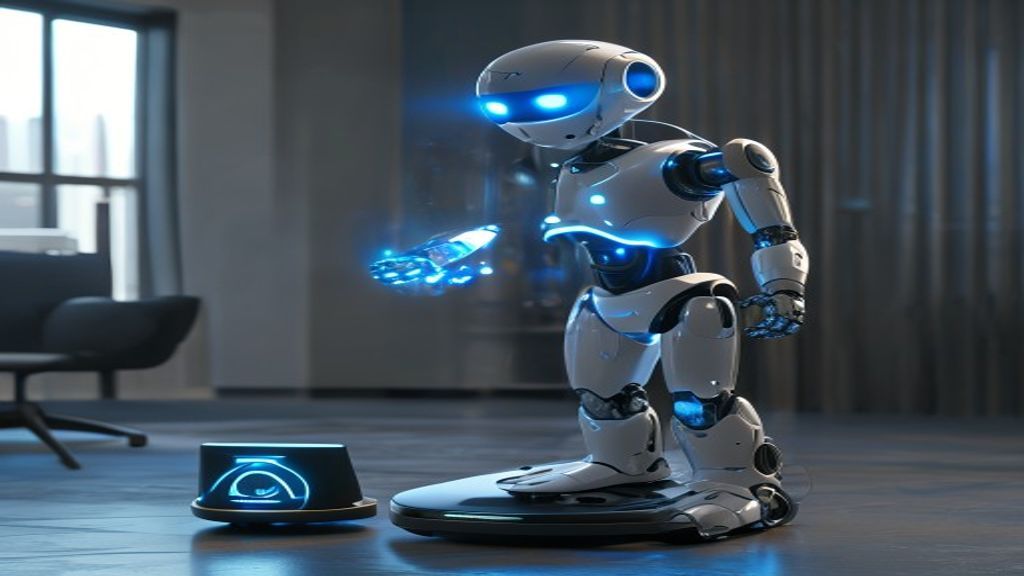
Colin Angle, the mastermind behind the Roomba, has launched a new startup, Familiar Machines Magic, with a revolutionary robot designed to live and interact autonomously with family members. The first 'Familiar' robot is a dog-sized, furry companion that boasts an expressive face with movable eyebrows, ears, and eyes, drawing inspiration from folklore surrounding supernatural companions.
The emergence of this robot signifies a shift in the robotics industry, where the focus is no longer solely on functional tasks like cleaning, but on creating emotional connections with humans. This development could potentially disrupt the market for social robots, which has seen significant growth in recent years.
The implications extend beyond the realm of robotics, as the 'Familiar' robot could redefine how we interact with technology in our daily lives. For everyday users, this could mean having a constant companion that learns and adapts to their habits and emotions, providing a sense of comfort and companionship.
From an industry perspective, the introduction of the 'Familiar' robot raises questions about the future of social robotics and the potential applications of such technology. As the robot is designed to learn and interact with its environment, it could have significant implications for fields like education, healthcare, and entertainment.
The 'Familiar' robot's ability to form emotional bonds with humans could also raise concerns about the potential consequences of relying on robots for companionship. As the technology continues to evolve, it will be essential to consider the ethical implications of creating robots that can mimic human-like emotions and interactions.
In the broader context of the robotics industry, the 'Familiar' robot represents a significant step forward in the development of social robots. With its advanced AI capabilities and expressive design, it has the potential to revolutionize the way we interact with technology and each other.
As the 'Familiar' robot makes its debut at the WSJ Future of Everything conference, it will be interesting to see how it is received by the public and the industry. One thing is certain, however: Colin Angle's new venture has the potential to disrupt the status quo and create a new paradigm for human-robot interaction.
The 'Familiar' robot's impact on the market will depend on its ability to connect with users on an emotional level. If successful, it could pave the way for a new generation of social robots that prioritize emotional intelligence and companionship. As the world becomes increasingly dependent on technology, the need for robots that can provide emotional support and comfort will only continue to grow.
In conclusion, the 'Familiar' robot represents a significant development in the field of social robotics, with far-reaching implications for the way we interact with technology and each other. As the technology continues to evolve, it will be essential to consider the potential consequences of relying on robots for companionship and to ensure that these robots are designed with the user's emotional well-being in mind.
The future of social robotics is uncertain, but one thing is clear: the 'Familiar' robot is a significant step forward in the development of robots that can form emotional bonds with humans. As the industry continues to evolve, it will be interesting to see how the 'Familiar' robot and other social robots like it will shape the future of human-robot interaction.
The 'Familiar' robot's debut marks the beginning of a new era in social robotics, one that prioritizes emotional intelligence and companionship. As the world becomes increasingly dependent on technology, the need for robots that can provide emotional support and comfort will only continue to grow. The 'Familiar' robot is poised to revolutionize the way we interact with technology and each other, and its impact will be felt for years to come.
The emergence of this robot signifies a shift in the robotics industry, where the focus is no longer solely on functional tasks like cleaning, but on creating emotional connections with humans. This development could potentially disrupt the market for social robots, which has seen significant growth in recent years.
The implications extend beyond the realm of robotics, as the 'Familiar' robot could redefine how we interact with technology in our daily lives. For everyday users, this could mean having a constant companion that learns and adapts to their habits and emotions, providing a sense of comfort and companionship.
From an industry perspective, the introduction of the 'Familiar' robot raises questions about the future of social robotics and the potential applications of such technology. As the robot is designed to learn and interact with its environment, it could have significant implications for fields like education, healthcare, and entertainment.
The 'Familiar' robot's ability to form emotional bonds with humans could also raise concerns about the potential consequences of relying on robots for companionship. As the technology continues to evolve, it will be essential to consider the ethical implications of creating robots that can mimic human-like emotions and interactions.
In the broader context of the robotics industry, the 'Familiar' robot represents a significant step forward in the development of social robots. With its advanced AI capabilities and expressive design, it has the potential to revolutionize the way we interact with technology and each other.
As the 'Familiar' robot makes its debut at the WSJ Future of Everything conference, it will be interesting to see how it is received by the public and the industry. One thing is certain, however: Colin Angle's new venture has the potential to disrupt the status quo and create a new paradigm for human-robot interaction.
The 'Familiar' robot's impact on the market will depend on its ability to connect with users on an emotional level. If successful, it could pave the way for a new generation of social robots that prioritize emotional intelligence and companionship. As the world becomes increasingly dependent on technology, the need for robots that can provide emotional support and comfort will only continue to grow.
In conclusion, the 'Familiar' robot represents a significant development in the field of social robotics, with far-reaching implications for the way we interact with technology and each other. As the technology continues to evolve, it will be essential to consider the potential consequences of relying on robots for companionship and to ensure that these robots are designed with the user's emotional well-being in mind.
The future of social robotics is uncertain, but one thing is clear: the 'Familiar' robot is a significant step forward in the development of robots that can form emotional bonds with humans. As the industry continues to evolve, it will be interesting to see how the 'Familiar' robot and other social robots like it will shape the future of human-robot interaction.
The 'Familiar' robot's debut marks the beginning of a new era in social robotics, one that prioritizes emotional intelligence and companionship. As the world becomes increasingly dependent on technology, the need for robots that can provide emotional support and comfort will only continue to grow. The 'Familiar' robot is poised to revolutionize the way we interact with technology and each other, and its impact will be felt for years to come.