Autonomous Trucking: From Perpetual Promise to Commercial Reality
By TechGuru • 2026-05-08 06:14:20
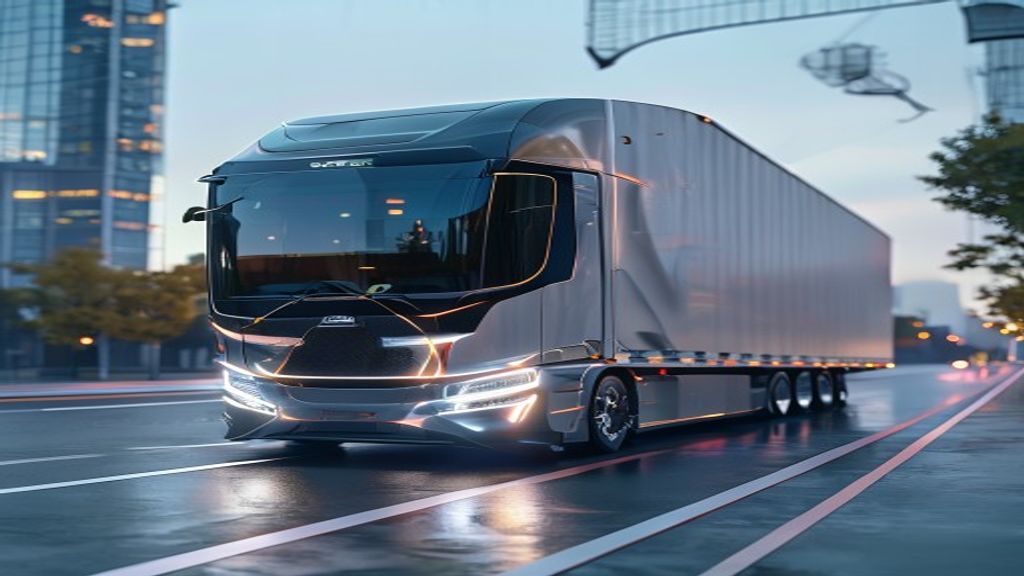
For years, the vision of self-driving vehicles has tantalized and frustrated, perpetually "just around the corner." Yet, beneath the dashed hopes of robotaxis navigating chaotic city streets, a quieter, more focused revolution has been steadily gathering momentum in the less glamorous, but economically vital, world of long-haul logistics.
The prevailing narrative of self-driving being perpetually "almost here" has begun to shift, catalyzed by companies like Aurora. Its co-founder and CEO Chris Urmson confirmed a significant milestone: Aurora began commercial driverless operations last April, ferrying freight between Dallas and Houston. This isn't merely a pilot; the company is now aggressively scaling its fleet from a handful of initial units to hundreds of autonomous trucks throughout the current year, signaling a decisive move from experimental deployment to commercial viability.
The journey to this point is long, marked by breakthroughs and setbacks. The seeds of modern autonomous driving were sown in the early 2000s with the DARPA Grand Challenges, events that brought together many of today's industry luminaries, including Urmson himself. Following these early successes, a wave of venture capital flooded the sector, propelling companies like Waymo, Cruise, and Argo AI into the public consciousness with a focus on urban robotaxis. However, the inherent complexity of navigating dynamic city environments – with their unpredictable pedestrians, varied infrastructure, and myriad "edge cases" – proved a formidable, costly, and time-consuming challenge, leading to delays and, in some cases, the shuttering of operations like Argo AI. This recalibration forced a strategic pivot, recognizing highway trucking as a more tractable problem with immediate economic urgency.
The pivot towards autonomous trucking addresses profound structural challenges within logistics. The U.S. faces an estimated shortage of 80,000 truck drivers, projected to grow to 160,000 by 2030 (ATA). This deficit, coupled with demanding long-haul driving, strict Hours of Service (HOS) regulations, and fatigue-related accidents, makes the sector ripe for disruption. Autonomous trucks promise 24/7 operation without HOS constraints, improved fuel efficiency through optimized driving, and a significant reduction in human error. While competitors like TuSimple, Embark (acquired by Aurora), Kodiak Robotics, and Waymo Via navigate their own paths, Aurora's strategic partnerships with leading carriers such as Werner Enterprises and Schneider, coupled with its robust "Aurora Driver" stack, position it as a frontrunner for scaling on designated freight corridors.
Aurora's transition from pilot programs to commercial scaling represents a critical validation point for the entire autonomous vehicle industry, shifting the narrative from speculative potential to tangible operational impact. For the logistics sector, the immediate implications are profound. Autonomous trucks offer the potential for substantial operational cost reductions, primarily through labor savings and optimized fuel consumption. A truck that can operate around the clock, only pausing for refueling and maintenance, drastically increases asset utilization. This efficiency translates into faster transit times, improved supply chain predictability, and reduced inventory holding costs. The Dallas-Houston corridor, a vital artery in the US freight network, serves as an ideal initial proving ground, demonstrating how dedicated autonomous lanes can create a more resilient and responsive supply chain.
Long-term, implications are transformative, extending beyond mere cost savings. The widespread adoption of autonomous trucking could fundamentally reshape freight transportation, leading to the development of new logistics hubs where autonomous trucks seamlessly transfer trailers to human-driven local delivery vehicles. This "hub-to-hub" model could redefine truck drivers' roles, shifting them from grueling long-haul routes to more localized, less fatiguing, last-mile operations. Moreover, the inherent safety advantages of autonomous systems, designed to eliminate human error, promise a significant reduction in the nearly 5,000 annual US fatalities involving large trucks. This paradigm shift necessitates new infrastructure planning, insurance models, and regulatory frameworks, creating an entirely new ecosystem around autonomous freight, with ripple effects across manufacturing, retail, and e-commerce.
Beneficiaries of this autonomous freight revolution are numerous. Logistics and trucking companies, particularly Aurora's partners like Werner Enterprises and Schneider, stand to gain competitive advantages through improved efficiency, lower operating costs, and enhanced reliability. Shippers, including major retailers and e-commerce giants like Amazon, FedEx, and UPS, will benefit from faster, more predictable, and potentially cheaper freight movement, optimizing their supply chains. Consumers will benefit through reduced product costs and expedited delivery times. Autonomous technology developers like Aurora, Kodiak Robotics, and Waymo Via are poised to become critical enablers of modern commerce, securing significant market share in a multi-trillion-dollar industry.
However, this transformation will inevitably create disruption. Long-haul truck drivers, a workforce numbering over 3.5 million in the US, face the most direct threat. While the immediate impact is a shift in job descriptions—towards shorter-haul deliveries, transfer hub operations, and remote monitoring—the long-term trajectory suggests a significant reduction in demand for human long-haul operators. Businesses dependent on the current trucking ecosystem, such as roadside service providers or certain truck stop models, may need to adapt or face obsolescence. Furthermore, the insurance industry will need to fundamentally re-evaluate risk models and liability frameworks for autonomous fleets, presenting both challenges and opportunities for innovation.
The immediate trajectory for autonomous trucking involves methodical expansion of operational design domains (ODDs). Over the next 18-24 months, expect Aurora and competitors to increase fleet sizes into the low thousands, extending operations beyond Dallas-Houston to other high-demand highway corridors across the Sun Belt and Midwest. Focus will remain on accumulating millions of driverless miles to demonstrate safety, reliability, and economic benefits, building public and regulatory trust. Concurrently, state and federal regulatory bodies will be pressured to standardize rules governing autonomous truck operations, addressing licensing, liability, and mixed traffic scenarios. Within 3-5 years, the industry will likely see progress in overcoming more complex weather challenges and integrating autonomous middle-mile solutions deeper into existing supply chain infrastructures, with dedicated transfer points becoming commonplace.
Aurora's aggressive scaling of driverless operations marks a pivotal moment, signaling that autonomous trucking has moved beyond the realm of perpetual promise into concrete commercial reality. This shift promises to fundamentally redefine the economics and efficiency of global supply chains, demanding strategic adaptation from all stakeholders to harness its transformative potential responsibly.
The prevailing narrative of self-driving being perpetually "almost here" has begun to shift, catalyzed by companies like Aurora. Its co-founder and CEO Chris Urmson confirmed a significant milestone: Aurora began commercial driverless operations last April, ferrying freight between Dallas and Houston. This isn't merely a pilot; the company is now aggressively scaling its fleet from a handful of initial units to hundreds of autonomous trucks throughout the current year, signaling a decisive move from experimental deployment to commercial viability.
The journey to this point is long, marked by breakthroughs and setbacks. The seeds of modern autonomous driving were sown in the early 2000s with the DARPA Grand Challenges, events that brought together many of today's industry luminaries, including Urmson himself. Following these early successes, a wave of venture capital flooded the sector, propelling companies like Waymo, Cruise, and Argo AI into the public consciousness with a focus on urban robotaxis. However, the inherent complexity of navigating dynamic city environments – with their unpredictable pedestrians, varied infrastructure, and myriad "edge cases" – proved a formidable, costly, and time-consuming challenge, leading to delays and, in some cases, the shuttering of operations like Argo AI. This recalibration forced a strategic pivot, recognizing highway trucking as a more tractable problem with immediate economic urgency.
The pivot towards autonomous trucking addresses profound structural challenges within logistics. The U.S. faces an estimated shortage of 80,000 truck drivers, projected to grow to 160,000 by 2030 (ATA). This deficit, coupled with demanding long-haul driving, strict Hours of Service (HOS) regulations, and fatigue-related accidents, makes the sector ripe for disruption. Autonomous trucks promise 24/7 operation without HOS constraints, improved fuel efficiency through optimized driving, and a significant reduction in human error. While competitors like TuSimple, Embark (acquired by Aurora), Kodiak Robotics, and Waymo Via navigate their own paths, Aurora's strategic partnerships with leading carriers such as Werner Enterprises and Schneider, coupled with its robust "Aurora Driver" stack, position it as a frontrunner for scaling on designated freight corridors.
Aurora's transition from pilot programs to commercial scaling represents a critical validation point for the entire autonomous vehicle industry, shifting the narrative from speculative potential to tangible operational impact. For the logistics sector, the immediate implications are profound. Autonomous trucks offer the potential for substantial operational cost reductions, primarily through labor savings and optimized fuel consumption. A truck that can operate around the clock, only pausing for refueling and maintenance, drastically increases asset utilization. This efficiency translates into faster transit times, improved supply chain predictability, and reduced inventory holding costs. The Dallas-Houston corridor, a vital artery in the US freight network, serves as an ideal initial proving ground, demonstrating how dedicated autonomous lanes can create a more resilient and responsive supply chain.
Long-term, implications are transformative, extending beyond mere cost savings. The widespread adoption of autonomous trucking could fundamentally reshape freight transportation, leading to the development of new logistics hubs where autonomous trucks seamlessly transfer trailers to human-driven local delivery vehicles. This "hub-to-hub" model could redefine truck drivers' roles, shifting them from grueling long-haul routes to more localized, less fatiguing, last-mile operations. Moreover, the inherent safety advantages of autonomous systems, designed to eliminate human error, promise a significant reduction in the nearly 5,000 annual US fatalities involving large trucks. This paradigm shift necessitates new infrastructure planning, insurance models, and regulatory frameworks, creating an entirely new ecosystem around autonomous freight, with ripple effects across manufacturing, retail, and e-commerce.
Beneficiaries of this autonomous freight revolution are numerous. Logistics and trucking companies, particularly Aurora's partners like Werner Enterprises and Schneider, stand to gain competitive advantages through improved efficiency, lower operating costs, and enhanced reliability. Shippers, including major retailers and e-commerce giants like Amazon, FedEx, and UPS, will benefit from faster, more predictable, and potentially cheaper freight movement, optimizing their supply chains. Consumers will benefit through reduced product costs and expedited delivery times. Autonomous technology developers like Aurora, Kodiak Robotics, and Waymo Via are poised to become critical enablers of modern commerce, securing significant market share in a multi-trillion-dollar industry.
However, this transformation will inevitably create disruption. Long-haul truck drivers, a workforce numbering over 3.5 million in the US, face the most direct threat. While the immediate impact is a shift in job descriptions—towards shorter-haul deliveries, transfer hub operations, and remote monitoring—the long-term trajectory suggests a significant reduction in demand for human long-haul operators. Businesses dependent on the current trucking ecosystem, such as roadside service providers or certain truck stop models, may need to adapt or face obsolescence. Furthermore, the insurance industry will need to fundamentally re-evaluate risk models and liability frameworks for autonomous fleets, presenting both challenges and opportunities for innovation.
The immediate trajectory for autonomous trucking involves methodical expansion of operational design domains (ODDs). Over the next 18-24 months, expect Aurora and competitors to increase fleet sizes into the low thousands, extending operations beyond Dallas-Houston to other high-demand highway corridors across the Sun Belt and Midwest. Focus will remain on accumulating millions of driverless miles to demonstrate safety, reliability, and economic benefits, building public and regulatory trust. Concurrently, state and federal regulatory bodies will be pressured to standardize rules governing autonomous truck operations, addressing licensing, liability, and mixed traffic scenarios. Within 3-5 years, the industry will likely see progress in overcoming more complex weather challenges and integrating autonomous middle-mile solutions deeper into existing supply chain infrastructures, with dedicated transfer points becoming commonplace.
Aurora's aggressive scaling of driverless operations marks a pivotal moment, signaling that autonomous trucking has moved beyond the realm of perpetual promise into concrete commercial reality. This shift promises to fundamentally redefine the economics and efficiency of global supply chains, demanding strategic adaptation from all stakeholders to harness its transformative potential responsibly.