Tesla's Autopilot U-Turn: What the Shift to Full Self-Driving Means for Drivers and the Industry
By Libertarian • 2026-01-24T03:00:21.650212
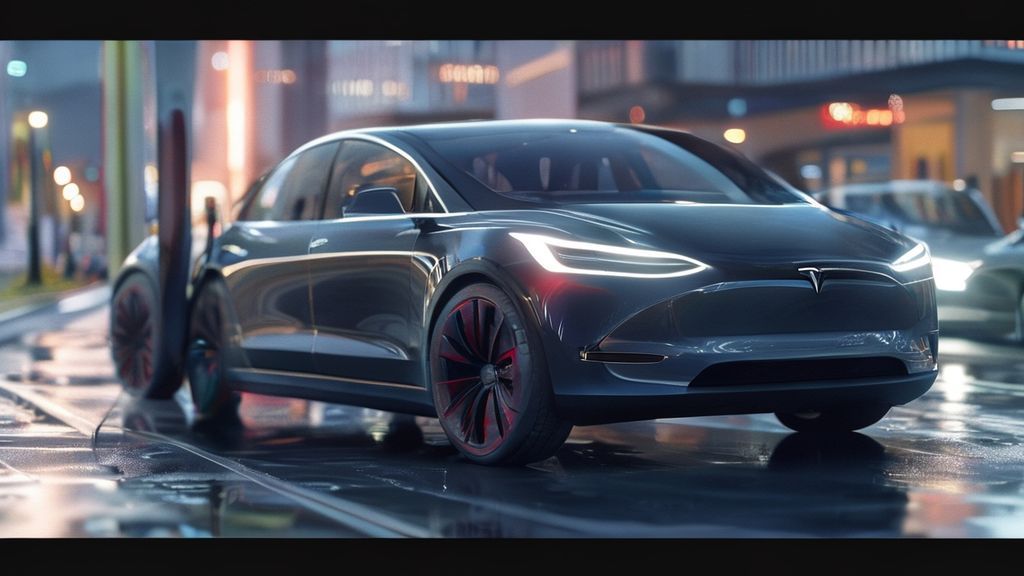
In a surprise move, Tesla has announced the discontinuation of its Autopilot feature in a bid to boost adoption of its Full Self-Driving (FSD) software. This development comes at a critical time for the company, as it faces a 30-day suspension of its manufacturing and dealer licenses in California due to deceptive marketing practices regarding Autopilot's capabilities.
The situation leading up to this decision has been complex, with Autopilot being a cornerstone of Tesla's autonomous driving ambitions since its introduction. However, the feature has also been at the center of controversy, with numerous incidents and regulatory scrutiny over its limitations and the potential for driver misuse.
The significance of this move cannot be overstated. By discontinuing Autopilot, Tesla is essentially pushing all its chips into the FSD basket, signaling a significant strategic shift towards more advanced autonomous driving technology. This comes with its own set of challenges, including higher costs for consumers and the need for more sophisticated software and hardware.
For everyday users, this could mean a significant leap in autonomous driving capabilities, assuming FSD lives up to its promise. Tesla's FSD is designed to offer more comprehensive autonomy, potentially reducing the workload on drivers and enhancing safety on the roads. However, it also means that those who were content with the more limited Autopilot feature might find themselves needing to adapt to a new, possibly more expensive technology.
From an industry perspective, this move could reshape how companies approach autonomous driving. Tesla's decision to focus on more advanced autonomy could raise the bar for competitors, forcing them to accelerate their own autonomous driving programs. It also highlights the regulatory challenges that companies face in this space, as evidenced by Tesla's run-ins with California's regulatory bodies.
The implications extend beyond the automotive sector, touching on issues of consumer trust, regulatory compliance, and technological innovation. As the autonomous driving landscape continues to evolve, companies will need to balance the push for advanced technology with the need for transparency and safety. Tesla's bold move is a testament to the dynamic nature of this field and the high stakes involved in shaping the future of transportation.
The situation leading up to this decision has been complex, with Autopilot being a cornerstone of Tesla's autonomous driving ambitions since its introduction. However, the feature has also been at the center of controversy, with numerous incidents and regulatory scrutiny over its limitations and the potential for driver misuse.
The significance of this move cannot be overstated. By discontinuing Autopilot, Tesla is essentially pushing all its chips into the FSD basket, signaling a significant strategic shift towards more advanced autonomous driving technology. This comes with its own set of challenges, including higher costs for consumers and the need for more sophisticated software and hardware.
For everyday users, this could mean a significant leap in autonomous driving capabilities, assuming FSD lives up to its promise. Tesla's FSD is designed to offer more comprehensive autonomy, potentially reducing the workload on drivers and enhancing safety on the roads. However, it also means that those who were content with the more limited Autopilot feature might find themselves needing to adapt to a new, possibly more expensive technology.
From an industry perspective, this move could reshape how companies approach autonomous driving. Tesla's decision to focus on more advanced autonomy could raise the bar for competitors, forcing them to accelerate their own autonomous driving programs. It also highlights the regulatory challenges that companies face in this space, as evidenced by Tesla's run-ins with California's regulatory bodies.
The implications extend beyond the automotive sector, touching on issues of consumer trust, regulatory compliance, and technological innovation. As the autonomous driving landscape continues to evolve, companies will need to balance the push for advanced technology with the need for transparency and safety. Tesla's bold move is a testament to the dynamic nature of this field and the high stakes involved in shaping the future of transportation.