Tucker Carlson and Peter Schiff Lock Horns Over Bitcoin's Potential as Global Reserve Currency
By TechGuru • 2026-01-27T15:00:54.643952
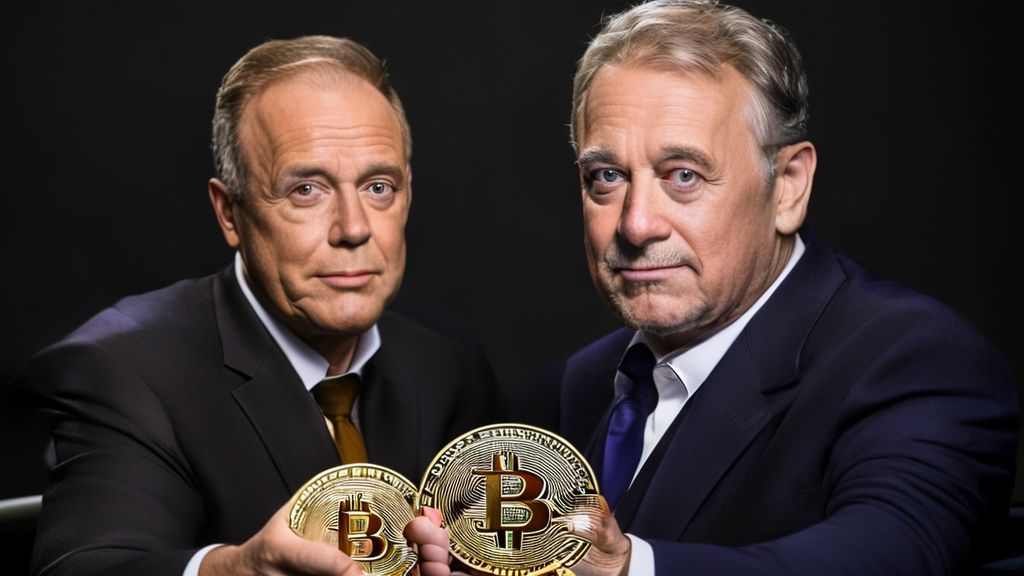
In a recent interview that has sent shockwaves through the financial community, Tucker Carlson delved into the world of cryptocurrency by questioning Peter Schiff about Bitcoin's potential to usurp the US dollar as the new global reserve currency. The conversation highlighted the deep-seated concerns about the stability of the current financial system and the role that digital currencies might play in its future.
The backdrop of this discussion is the ongoing debate about the health of the US economy, with many analysts warning about the potential for inflation and the devaluation of the dollar. This has led some to speculate about the possibility of a new global reserve currency emerging, with Bitcoin often cited as a potential candidate due to its decentralized nature and the transparency of its transactions.
Peter Schiff, known for his skeptical views on Bitcoin, argued that the cryptocurrency lacks the fundamental attributes required to serve as a global reserve currency, pointing to its volatility and the lack of central authority control. On the other hand, proponents of Bitcoin argue that its very decentralized nature and limited supply could make it an attractive alternative to traditional fiat currencies, which are subject to the whims of central banks and governments.
The implications extend beyond the realm of financial speculation, touching on issues of economic sovereignty and the future of global trade. For everyday users, the prospect of a digital currency gaining widespread acceptance could mean greater ease in transferring value across borders without the need for intermediaries like banks. However, it also raises questions about regulation, privacy, and the potential for misuse.
From an industry perspective, the shift towards digital currencies could reshape how financial services are delivered, with companies that adapt to these new technologies potentially gaining a significant advantage over their competitors. The conversation between Tucker Carlson and Peter Schiff serves as a reminder of the complex and multifaceted nature of the debate surrounding Bitcoin and its potential role in the global financial system.
As the world grapples with the challenges of a post-pandemic economy and the rise of digital technologies, discussions like these highlight the need for a nuanced understanding of the opportunities and risks presented by cryptocurrencies. Whether or not Bitcoin emerges as the new global reserve currency, it is clear that the landscape of international finance is on the cusp of significant change.
The significance of this interview also lies in its timing, coming at a moment when more people are turning to alternative investment options in search of stability and growth. The fact that a mainstream figure like Tucker Carlson is engaging with these topics indicates a growing recognition of the importance of understanding the intersection of technology, finance, and geopolitics.
In conclusion, the debate over Bitcoin's potential as a global reserve currency is a complex one, filled with both promise and pitfalls. As the financial world continues to evolve, it will be crucial to engage in open and informed discussions about the future of money and the role that digital currencies might play in it.
The backdrop of this discussion is the ongoing debate about the health of the US economy, with many analysts warning about the potential for inflation and the devaluation of the dollar. This has led some to speculate about the possibility of a new global reserve currency emerging, with Bitcoin often cited as a potential candidate due to its decentralized nature and the transparency of its transactions.
Peter Schiff, known for his skeptical views on Bitcoin, argued that the cryptocurrency lacks the fundamental attributes required to serve as a global reserve currency, pointing to its volatility and the lack of central authority control. On the other hand, proponents of Bitcoin argue that its very decentralized nature and limited supply could make it an attractive alternative to traditional fiat currencies, which are subject to the whims of central banks and governments.
The implications extend beyond the realm of financial speculation, touching on issues of economic sovereignty and the future of global trade. For everyday users, the prospect of a digital currency gaining widespread acceptance could mean greater ease in transferring value across borders without the need for intermediaries like banks. However, it also raises questions about regulation, privacy, and the potential for misuse.
From an industry perspective, the shift towards digital currencies could reshape how financial services are delivered, with companies that adapt to these new technologies potentially gaining a significant advantage over their competitors. The conversation between Tucker Carlson and Peter Schiff serves as a reminder of the complex and multifaceted nature of the debate surrounding Bitcoin and its potential role in the global financial system.
As the world grapples with the challenges of a post-pandemic economy and the rise of digital technologies, discussions like these highlight the need for a nuanced understanding of the opportunities and risks presented by cryptocurrencies. Whether or not Bitcoin emerges as the new global reserve currency, it is clear that the landscape of international finance is on the cusp of significant change.
The significance of this interview also lies in its timing, coming at a moment when more people are turning to alternative investment options in search of stability and growth. The fact that a mainstream figure like Tucker Carlson is engaging with these topics indicates a growing recognition of the importance of understanding the intersection of technology, finance, and geopolitics.
In conclusion, the debate over Bitcoin's potential as a global reserve currency is a complex one, filled with both promise and pitfalls. As the financial world continues to evolve, it will be crucial to engage in open and informed discussions about the future of money and the role that digital currencies might play in it.