Tesla's Production-Ready Optimus Robot to Disrupt Manufacturing: 1 Million Units Per Year by 2027
By JTZ • 2026-01-29T01:00:19.632953
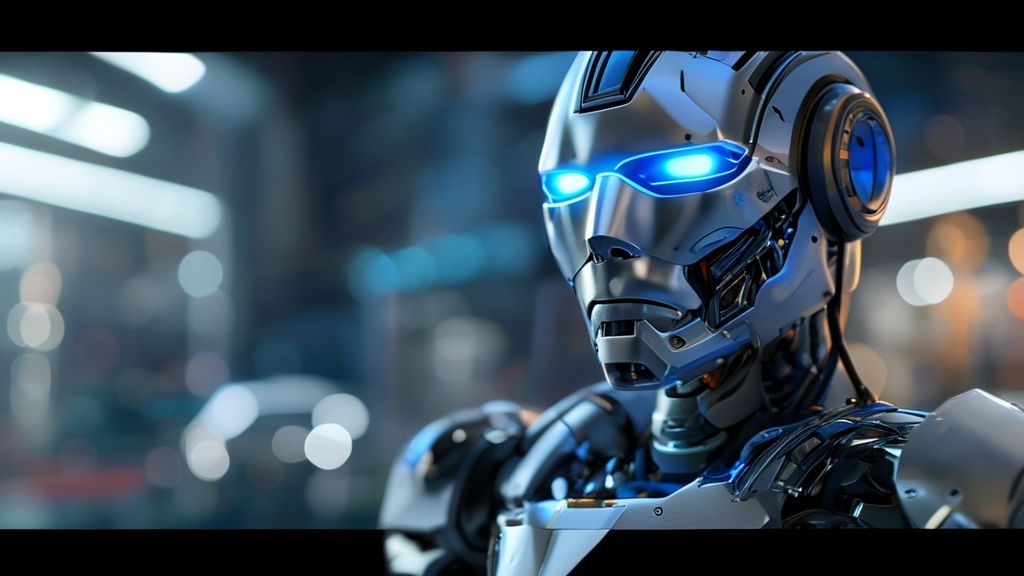
Tesla's latest earnings report has sent shockwaves through the tech and manufacturing industries with the announcement of its production-ready Optimus robot. Scheduled for unveiling in the first quarter of 2026, this third-generation humanoid robot is designed for mass production, boasting significant upgrades from its predecessor, including a redesigned hand. The company is gearing up for its first production line, expected to commence before the end of 2026, with plans to eventually reach a capacity of 1 million robots per year.
The implications of this development are profound, particularly in the context of manufacturing and industrial automation. With its advanced capabilities, the Optimus robot could revolutionize production lines, enhancing efficiency, precision, and scalability. This could lead to significant cost savings for companies adopting the technology, as well as potential job displacements in sectors where tasks are highly repetitive or hazardous.
For everyday users, the impact might not be immediate but could be felt in the long term through the availability of more affordable, high-quality products manufactured with the aid of these robots. From an industry perspective, Tesla's move into robotics could challenge traditional players and force innovation, potentially leading to breakthroughs in areas like healthcare, logistics, and education.
The strategic significance of Tesla's venture into robotics cannot be overstated. By leveraging its expertise in electric vehicles and renewable energy, the company is diversifying its portfolio and positioning itself at the forefront of the robotics and artificial intelligence sectors. This move could also attract new investors and talent, further solidifying Tesla's status as a pioneer in sustainable technologies.
As the world awaits the unveiling of the Optimus robot, one thing is clear: the future of manufacturing is about to undergo a significant transformation. With Tesla at the helm, the race to adopt and integrate advanced robotics is expected to accelerate, leading to unprecedented levels of productivity and innovation. The question on everyone's mind now is how quickly and effectively other companies can adapt to this new landscape and what role governments will play in regulating and supporting this technological shift.
In conclusion, Tesla's production-ready Optimus robot represents a pivotal moment in the history of manufacturing and automation. Its potential to disrupt traditional production methods, enhance efficiency, and contribute to a more sustainable future is undeniable. As the first quarter of 2026 approaches, the world will be watching closely to see how this technology unfolds and the impact it will have on industries and societies worldwide.
The implications of this development are profound, particularly in the context of manufacturing and industrial automation. With its advanced capabilities, the Optimus robot could revolutionize production lines, enhancing efficiency, precision, and scalability. This could lead to significant cost savings for companies adopting the technology, as well as potential job displacements in sectors where tasks are highly repetitive or hazardous.
For everyday users, the impact might not be immediate but could be felt in the long term through the availability of more affordable, high-quality products manufactured with the aid of these robots. From an industry perspective, Tesla's move into robotics could challenge traditional players and force innovation, potentially leading to breakthroughs in areas like healthcare, logistics, and education.
The strategic significance of Tesla's venture into robotics cannot be overstated. By leveraging its expertise in electric vehicles and renewable energy, the company is diversifying its portfolio and positioning itself at the forefront of the robotics and artificial intelligence sectors. This move could also attract new investors and talent, further solidifying Tesla's status as a pioneer in sustainable technologies.
As the world awaits the unveiling of the Optimus robot, one thing is clear: the future of manufacturing is about to undergo a significant transformation. With Tesla at the helm, the race to adopt and integrate advanced robotics is expected to accelerate, leading to unprecedented levels of productivity and innovation. The question on everyone's mind now is how quickly and effectively other companies can adapt to this new landscape and what role governments will play in regulating and supporting this technological shift.
In conclusion, Tesla's production-ready Optimus robot represents a pivotal moment in the history of manufacturing and automation. Its potential to disrupt traditional production methods, enhance efficiency, and contribute to a more sustainable future is undeniable. As the first quarter of 2026 approaches, the world will be watching closely to see how this technology unfolds and the impact it will have on industries and societies worldwide.