Robot Baristas Take Over: Can AI Really Replace Human Touch in Coffee Culture?
By Satoshi Itamoto • 2026-02-01T17:00:30.707684
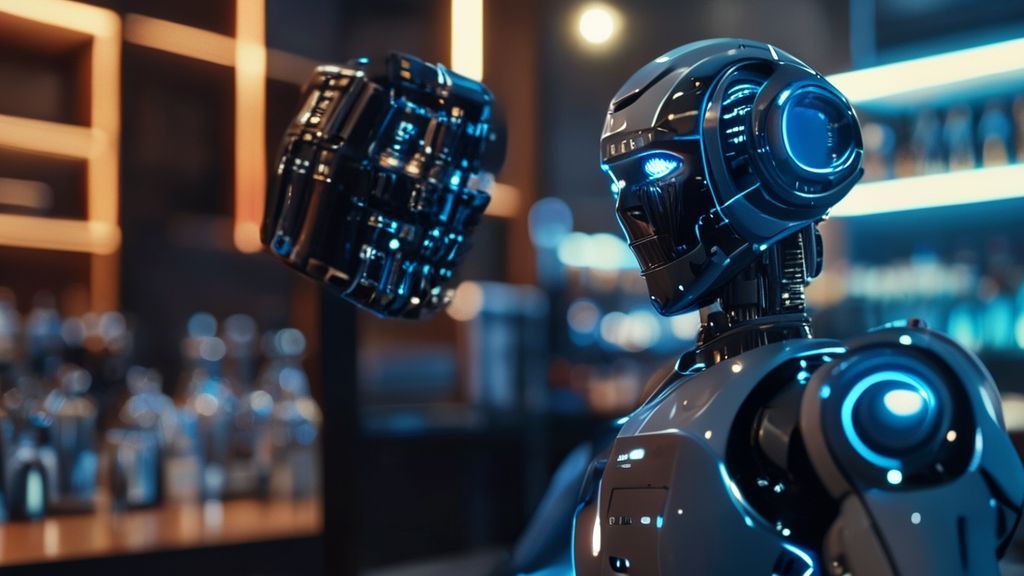
In a city where coffee is an integral part of the culture, Seattle has just witnessed the rise of a robot barista named Jarvis. Located in the luxury apartment building Hill7, Jarvis has been serving coffee to residents and visitors alike, leaving many to wonder if AI can truly replace the human touch in coffee culture. Before Jarvis, the idea of a robot making lattes seemed like a novelty, but with the robot's ability to create intricate latte art and address customers by name, it's clear that this is more than just a gimmick. The significance of Jarvis lies in its ability to provide a consistent and personalized experience, something that human baristas often strive for but may not always achieve. With the rise of automation in various industries, the question remains: can robots really replace human workers, and what are the consequences for the job market? For everyday users, the presence of robot baristas like Jarvis could mean a more efficient and personalized coffee experience. However, from an industry perspective, the implications are more complex. As robots begin to take over tasks that were once thought to be uniquely human, businesses must consider the potential consequences for their workforce and the overall customer experience. The shift towards automation in the service industry could reshape how companies approach customer service and job creation, potentially leading to a more streamlined but less personal experience.
The rise of robot baristas also raises questions about the role of human workers in the industry. While Jarvis may be able to create intricate latte art, it lacks the emotional intelligence and empathy that human baristas provide. As the use of robots in coffee shops becomes more prevalent, it will be interesting to see how businesses balance the benefits of automation with the need for human connection. For developers and manufacturers, the creation of robots like Jarvis presents a new opportunity for innovation and growth. With the potential to revolutionize the service industry, companies are investing heavily in the development of robots that can perform tasks that were once thought to be uniquely human.
The implications of robot baristas extend beyond the coffee industry, with potential applications in various sectors such as healthcare and education. As AI technology continues to advance, we can expect to see robots taking on more complex tasks, leading to a significant shift in the way we interact with machines. For now, Jarvis remains a novelty, but its presence serves as a reminder of the rapidly changing landscape of automation and AI. As we move forward, it will be essential to consider the consequences of this shift and how it will impact our daily lives.
In conclusion, the rise of robot baristas like Jarvis is a significant development that has the potential to revolutionize the service industry. While it remains to be seen how this technology will be adopted and integrated into various sectors, one thing is clear: the future of automation is here, and it's changing the way we interact with machines.
The potential for robot baristas to disrupt the coffee industry is substantial, with many shops already exploring the use of automation to improve efficiency and reduce costs. As the technology continues to advance, we can expect to see more robots like Jarvis popping up in coffee shops around the world. Whether or not this is a positive development remains to be seen, but one thing is certain: the rise of robot baristas is a trend that will be worth watching in the coming years.
The rise of robot baristas also raises questions about the role of human workers in the industry. While Jarvis may be able to create intricate latte art, it lacks the emotional intelligence and empathy that human baristas provide. As the use of robots in coffee shops becomes more prevalent, it will be interesting to see how businesses balance the benefits of automation with the need for human connection. For developers and manufacturers, the creation of robots like Jarvis presents a new opportunity for innovation and growth. With the potential to revolutionize the service industry, companies are investing heavily in the development of robots that can perform tasks that were once thought to be uniquely human.
The implications of robot baristas extend beyond the coffee industry, with potential applications in various sectors such as healthcare and education. As AI technology continues to advance, we can expect to see robots taking on more complex tasks, leading to a significant shift in the way we interact with machines. For now, Jarvis remains a novelty, but its presence serves as a reminder of the rapidly changing landscape of automation and AI. As we move forward, it will be essential to consider the consequences of this shift and how it will impact our daily lives.
In conclusion, the rise of robot baristas like Jarvis is a significant development that has the potential to revolutionize the service industry. While it remains to be seen how this technology will be adopted and integrated into various sectors, one thing is clear: the future of automation is here, and it's changing the way we interact with machines.
The potential for robot baristas to disrupt the coffee industry is substantial, with many shops already exploring the use of automation to improve efficiency and reduce costs. As the technology continues to advance, we can expect to see more robots like Jarvis popping up in coffee shops around the world. Whether or not this is a positive development remains to be seen, but one thing is certain: the rise of robot baristas is a trend that will be worth watching in the coming years.