Bitcoin's Decoupling Moment: Why Rising Interest Rates May Not Deter the Next Bull Run
By Satoshi Itamoto • 2026-02-08T20:00:11.366842
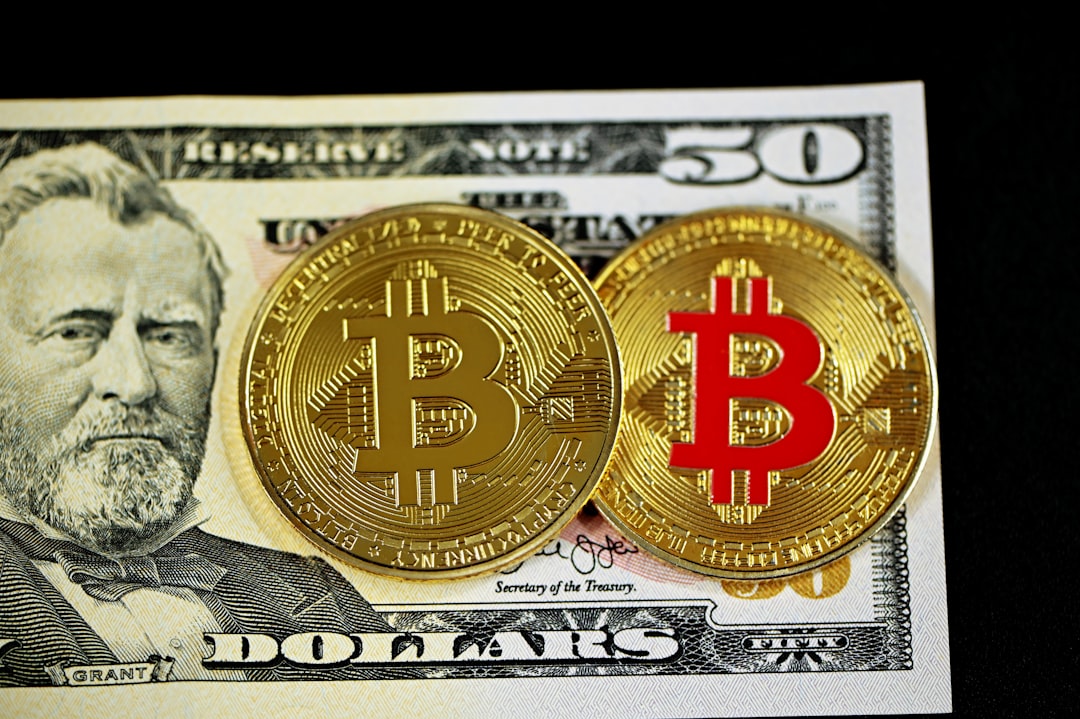
The notion that Bitcoin's price is inextricably linked to accommodative monetary policies may be on the verge of a significant shift. According to crypto executive Jeff Park, the moment when Bitcoin's price continues to rise despite the US Federal Reserve hiking interest rates would signal 'the endgame.' This concept challenges the conventional wisdom that Bitcoin's value is heavily influenced by the easy money policies of central banks.
The relationship between Bitcoin and monetary policy has been a subject of intense debate. Historically, periods of quantitative easing and low interest rates have seen Bitcoin's price soar, as investors sought higher returns in riskier assets. However, with the US Federal Reserve now in a cycle of raising interest rates to combat inflation, the question on everyone's mind is whether Bitcoin can decouple from this trend and continue to thrive.
For Bitcoin to reach this 'endgame' scenario, it would need to demonstrate a level of resilience and independence from traditional monetary policy levers. This could be facilitated by several factors, including increased adoption, improved regulatory clarity, and the development of more sophisticated financial instruments within the crypto space. If achieved, it would fundamentally alter the narrative around Bitcoin, transitioning it from a speculative asset heavily influenced by monetary policy to a more mature financial instrument with its own intrinsic value drivers.
The implications extend beyond the crypto community, as a decoupled Bitcoin could attract a broader range of investors, including institutional players who have been cautious due to Bitcoin's perceived correlation with monetary policy. For everyday users, this could mean a more stable and predictable investment environment, potentially leading to wider adoption of cryptocurrencies in mainstream finance.
From an industry perspective, the ability of Bitcoin to thrive in a high-interest-rate environment would underscore its unique value proposition as a store of value and a hedge against inflation. This shift could reshape how financial markets view cryptocurrencies, potentially leading to increased integration with traditional financial systems.
The broader societal effects of a Bitcoin bull run, unlinked to accommodative policies, would be significant. It could pave the way for cryptocurrencies to play a more central role in the global financial system, challenging traditional notions of money and financial transactions. As the world watches the next moves of the US Federal Reserve and the subsequent reactions of the Bitcoin market, one thing is clear: the future of cryptocurrency is at a crossroads, with the potential to redefine its relationship with global economic trends,
The relationship between Bitcoin and monetary policy has been a subject of intense debate. Historically, periods of quantitative easing and low interest rates have seen Bitcoin's price soar, as investors sought higher returns in riskier assets. However, with the US Federal Reserve now in a cycle of raising interest rates to combat inflation, the question on everyone's mind is whether Bitcoin can decouple from this trend and continue to thrive.
For Bitcoin to reach this 'endgame' scenario, it would need to demonstrate a level of resilience and independence from traditional monetary policy levers. This could be facilitated by several factors, including increased adoption, improved regulatory clarity, and the development of more sophisticated financial instruments within the crypto space. If achieved, it would fundamentally alter the narrative around Bitcoin, transitioning it from a speculative asset heavily influenced by monetary policy to a more mature financial instrument with its own intrinsic value drivers.
The implications extend beyond the crypto community, as a decoupled Bitcoin could attract a broader range of investors, including institutional players who have been cautious due to Bitcoin's perceived correlation with monetary policy. For everyday users, this could mean a more stable and predictable investment environment, potentially leading to wider adoption of cryptocurrencies in mainstream finance.
From an industry perspective, the ability of Bitcoin to thrive in a high-interest-rate environment would underscore its unique value proposition as a store of value and a hedge against inflation. This shift could reshape how financial markets view cryptocurrencies, potentially leading to increased integration with traditional financial systems.
The broader societal effects of a Bitcoin bull run, unlinked to accommodative policies, would be significant. It could pave the way for cryptocurrencies to play a more central role in the global financial system, challenging traditional notions of money and financial transactions. As the world watches the next moves of the US Federal Reserve and the subsequent reactions of the Bitcoin market, one thing is clear: the future of cryptocurrency is at a crossroads, with the potential to redefine its relationship with global economic trends,