Toyota's Electric Breakthrough: 2027 Highlander Redefines the Midsize SUV Market with 320 Miles of Range
By JTZ • 2026-02-11T05:00:19.205745
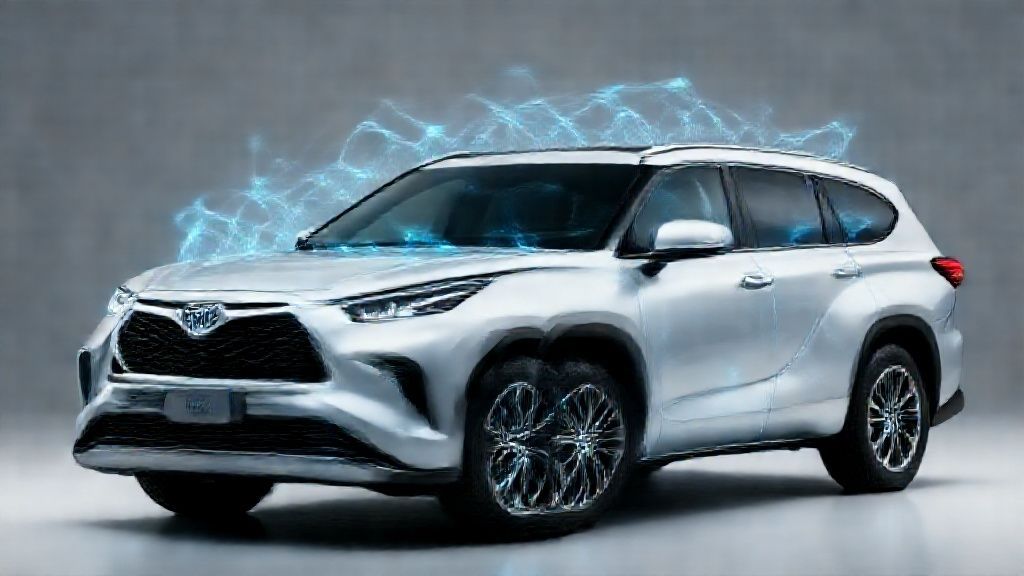
The automotive landscape is on the cusp of a significant shift as Toyota unveiled the 2027 Highlander, its first three-row electric SUV designed specifically for the US market. This fully redesigned midsize SUV not only represents a monumental leap for Toyota but also signifies the brand's strategic pivot towards electric vehicles. For over two decades, the Highlander has been a staple in the Toyota lineup, known for its reliability and versatility. However, the transition to an all-electric powertrain underscores Toyota's commitment to adapting to the evolving preferences of the modern consumer.
The timing of this announcement is particularly noteworthy, given the current tumultuous state of the automotive industry. Toyota, the world's best-selling automaker, has faced criticism for its cautious approach to embracing battery-electric vehicles, instead focusing on hybrid technology. This strategy, while successful in the short term, has led to concerns about the company's long-term viability in a market increasingly dominated by electric vehicles.
The 2027 Highlander is poised to challenge this narrative, offering a compelling blend of range, space, and performance that directly competes with other electric SUVs in the market. With a reported 320 miles of range, this vehicle addresses one of the primary concerns associated with electric vehicles: range anxiety. Furthermore, the fact that it will be assembled in America underscores Toyota's commitment to supporting local economies and reducing its carbon footprint.
For everyday users, the electric Highlander could mean a significant reduction in operational costs, thanks to the lower cost of electricity compared to gasoline. Additionally, the environmental impact of choosing an electric vehicle over a traditional gas-powered one cannot be overstated, contributing to a cleaner, healthier environment for future generations.
From an industry perspective, Toyota's move into the electric SUV market sends a clear signal to competitors that the brand is serious about its electric ambitions. This could reshape how other manufacturers approach their own electric vehicle lineups, potentially leading to a surge in innovation and competition in the sector. As the world continues to navigate the challenges of climate change and environmental sustainability, the introduction of the electric Highlander stands as a testament to the power of innovation and adaptation in the automotive industry.
The implications extend beyond the automotive sector, influencing how we think about energy consumption, urban planning, and personal transportation. As electric vehicles become more mainstream, there will be a growing need for comprehensive charging infrastructure, which could lead to significant investments in renewable energy sources and grid management technologies. This, in turn, could have a profound impact on the global energy landscape, paving the way for a more sustainable future.
In conclusion, the 2027 Toyota Highlander represents more than just a new vehicle; it symbolizes a critical juncture in the automotive industry's transition towards a more sustainable, electric future. With its impressive range, spacious design, and commitment to local production, Toyota is not only redefining its brand but also challenging the status quo in the electric vehicle market.
The timing of this announcement is particularly noteworthy, given the current tumultuous state of the automotive industry. Toyota, the world's best-selling automaker, has faced criticism for its cautious approach to embracing battery-electric vehicles, instead focusing on hybrid technology. This strategy, while successful in the short term, has led to concerns about the company's long-term viability in a market increasingly dominated by electric vehicles.
The 2027 Highlander is poised to challenge this narrative, offering a compelling blend of range, space, and performance that directly competes with other electric SUVs in the market. With a reported 320 miles of range, this vehicle addresses one of the primary concerns associated with electric vehicles: range anxiety. Furthermore, the fact that it will be assembled in America underscores Toyota's commitment to supporting local economies and reducing its carbon footprint.
For everyday users, the electric Highlander could mean a significant reduction in operational costs, thanks to the lower cost of electricity compared to gasoline. Additionally, the environmental impact of choosing an electric vehicle over a traditional gas-powered one cannot be overstated, contributing to a cleaner, healthier environment for future generations.
From an industry perspective, Toyota's move into the electric SUV market sends a clear signal to competitors that the brand is serious about its electric ambitions. This could reshape how other manufacturers approach their own electric vehicle lineups, potentially leading to a surge in innovation and competition in the sector. As the world continues to navigate the challenges of climate change and environmental sustainability, the introduction of the electric Highlander stands as a testament to the power of innovation and adaptation in the automotive industry.
The implications extend beyond the automotive sector, influencing how we think about energy consumption, urban planning, and personal transportation. As electric vehicles become more mainstream, there will be a growing need for comprehensive charging infrastructure, which could lead to significant investments in renewable energy sources and grid management technologies. This, in turn, could have a profound impact on the global energy landscape, paving the way for a more sustainable future.
In conclusion, the 2027 Toyota Highlander represents more than just a new vehicle; it symbolizes a critical juncture in the automotive industry's transition towards a more sustainable, electric future. With its impressive range, spacious design, and commitment to local production, Toyota is not only redefining its brand but also challenging the status quo in the electric vehicle market.