Italy's Landslide Risks Exposed: 40% of Municipalities Under Threat
By Satoshi Itamoto • 2026-02-11T13:00:38.327073
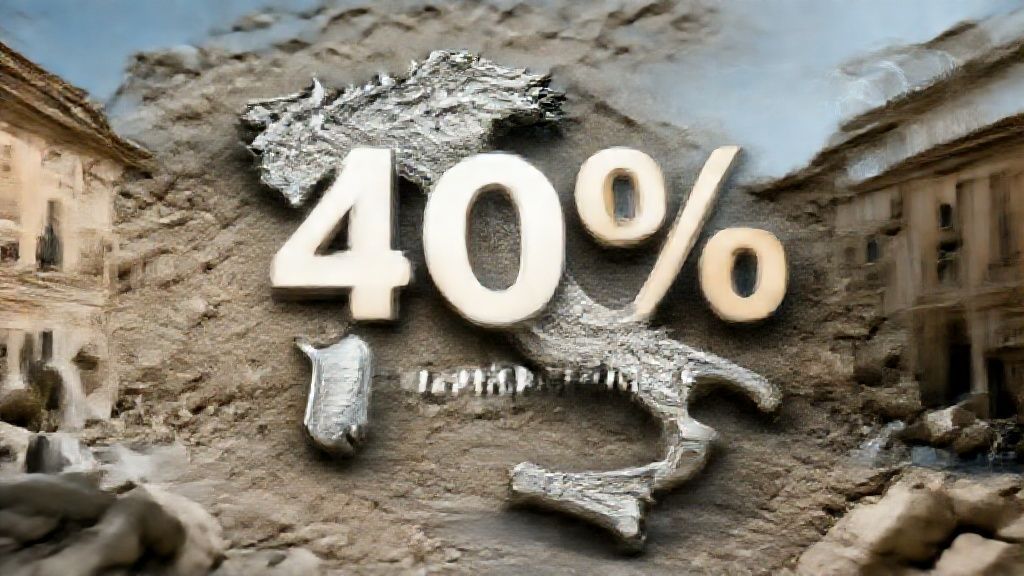
A recent landslide in Niscemi has highlighted the precarious state of Italy's geological stability. According to data from the Italian National Institute for Environmental Protection and Research (Ispra), nearly 40% of the country's municipalities are at risk of landslides. This alarming statistic underscores the need for urgent action to mitigate these risks. The Ispra data reveals that the majority of Italian municipalities have areas prone to landslides, with some regions being more vulnerable than others.
The case of Petacciato, a small town in the Molise region, is particularly noteworthy. Here, authorities are attempting to stabilize one of Europe's largest landslides, which has been slowly advancing over the years. The efforts to halt this landslide are not only crucial for the local population but also serve as a test case for similar situations across the country.
For everyday users, this could mean increased awareness of the geological risks associated with their surroundings. As the Italian government and local authorities work to address these issues, it is essential to consider the long-term implications of landslides on infrastructure, housing, and the overall quality of life. From an industry perspective, the emphasis on landslide prevention and mitigation may lead to new opportunities for companies specializing in geological engineering and environmental consulting.
The implications extend beyond the immediate risks to human life and property. Landslides can also have a significant impact on the environment, causing soil erosion, water pollution, and loss of biodiversity. As Italy moves forward in addressing its landslide risks, it will be crucial to adopt a holistic approach that balances economic development with environmental sustainability. This shift could reshape how the country manages its natural resources and prioritizes disaster prevention efforts.
In comparison to other European countries, Italy's unique geography makes it particularly prone to landslides. The country's mountainous terrain, combined with its location in a seismically active region, increases the likelihood of geological instability. However, by learning from past experiences, such as the Niscemi landslide, and investing in proactive measures, Italy can reduce the risks associated with landslides and create a safer, more resilient environment for its citizens.
As the Italian government continues to address the issue of landslides, it is essential to consider the role of technology in prevention and mitigation efforts. Advances in remote sensing, geographic information systems (GIS), and data analytics can help identify areas at risk and monitor landslide activity in real-time. By leveraging these technologies, authorities can make more informed decisions about where to allocate resources and how to prioritize their efforts.
In conclusion, the risks associated with landslides in Italy are a pressing concern that requires immediate attention. By understanding the context and significance of these risks, and by exploring the consequences of inaction, Italy can work towards creating a more sustainable and resilient future for its citizens.
The situation in Italy serves as a reminder that landslides are a global issue, affecting countless communities worldwide. As such, the lessons learned from Italy's experiences can be applied to other regions, helping to mitigate the risks associated with landslides and promoting a culture of disaster prevention and environmental stewardship.
The economic implications of landslides should not be underestimated. The costs associated with damage to infrastructure, loss of property, and emergency response efforts can be substantial. Furthermore, the impact on local economies, particularly in areas heavily reliant on tourism or agriculture, can be devastating. By investing in landslide prevention and mitigation, Italy can reduce the economic burden associated with these events and promote sustainable economic growth.
Ultimately, addressing the risks associated with landslides in Italy will require a coordinated effort from government agencies, local authorities, and private sector organizations. By working together and leveraging the latest technologies and expertise, Italy can reduce the risks associated with landslides and create a safer, more resilient environment for its citizens.
The case of Petacciato, a small town in the Molise region, is particularly noteworthy. Here, authorities are attempting to stabilize one of Europe's largest landslides, which has been slowly advancing over the years. The efforts to halt this landslide are not only crucial for the local population but also serve as a test case for similar situations across the country.
For everyday users, this could mean increased awareness of the geological risks associated with their surroundings. As the Italian government and local authorities work to address these issues, it is essential to consider the long-term implications of landslides on infrastructure, housing, and the overall quality of life. From an industry perspective, the emphasis on landslide prevention and mitigation may lead to new opportunities for companies specializing in geological engineering and environmental consulting.
The implications extend beyond the immediate risks to human life and property. Landslides can also have a significant impact on the environment, causing soil erosion, water pollution, and loss of biodiversity. As Italy moves forward in addressing its landslide risks, it will be crucial to adopt a holistic approach that balances economic development with environmental sustainability. This shift could reshape how the country manages its natural resources and prioritizes disaster prevention efforts.
In comparison to other European countries, Italy's unique geography makes it particularly prone to landslides. The country's mountainous terrain, combined with its location in a seismically active region, increases the likelihood of geological instability. However, by learning from past experiences, such as the Niscemi landslide, and investing in proactive measures, Italy can reduce the risks associated with landslides and create a safer, more resilient environment for its citizens.
As the Italian government continues to address the issue of landslides, it is essential to consider the role of technology in prevention and mitigation efforts. Advances in remote sensing, geographic information systems (GIS), and data analytics can help identify areas at risk and monitor landslide activity in real-time. By leveraging these technologies, authorities can make more informed decisions about where to allocate resources and how to prioritize their efforts.
In conclusion, the risks associated with landslides in Italy are a pressing concern that requires immediate attention. By understanding the context and significance of these risks, and by exploring the consequences of inaction, Italy can work towards creating a more sustainable and resilient future for its citizens.
The situation in Italy serves as a reminder that landslides are a global issue, affecting countless communities worldwide. As such, the lessons learned from Italy's experiences can be applied to other regions, helping to mitigate the risks associated with landslides and promoting a culture of disaster prevention and environmental stewardship.
The economic implications of landslides should not be underestimated. The costs associated with damage to infrastructure, loss of property, and emergency response efforts can be substantial. Furthermore, the impact on local economies, particularly in areas heavily reliant on tourism or agriculture, can be devastating. By investing in landslide prevention and mitigation, Italy can reduce the economic burden associated with these events and promote sustainable economic growth.
Ultimately, addressing the risks associated with landslides in Italy will require a coordinated effort from government agencies, local authorities, and private sector organizations. By working together and leveraging the latest technologies and expertise, Italy can reduce the risks associated with landslides and create a safer, more resilient environment for its citizens.