AI-Driven Energy Optimization: Transforming Data into Real-Time Operational Decisions
By Freecker • 2026-02-17T21:00:17.784959
The energy system functions like a complex supply chain, where the production source is just one aspect of the equation. Ensuring that energy reaches its destination when needed, with continuity, is equally crucial. This is where the work of Spoke 8, part of the NEST Foundation, comes into play. Led by professors Massimo Pompili and Andrea Vallati, Spoke 8 focuses on 'Optimization, sustainability resilience in energy supply chain.' Their work is centered on the less visible but critical aspects of the energy transition: the electrification of end uses, energy efficiency, and demand reduction.
The goal is not just to produce green energy but to use it more efficiently, less wastefully, and more intelligently. Spoke 8 is developing a new paradigm that incorporates innovative market models, local consumption aggregation, flexibility, and optimized energy management. These elements are set to become the structural backbone of the European energy system. Although many of these areas are still in their embryonic research phase, they represent the future of energy in Europe.
The integration of digitalization, artificial intelligence, and advanced communication techniques is not merely accessory but central to making informed decisions in real-time. The expected impact is profound, affecting the management, planning, and design of the energy system itself. Spoke 8 is developing new algorithms, models, and tools but also tackles the often-overlooked theme of sustainability and resilience throughout the entire energy supply chain.
In societies highly dependent on continuous access to energy services, continuity and reliability are not just technical details but economic and social prerequisites. Therefore, Spoke 8 also considers the fundamental rules of electromagnetic compatibility and the reliability of materials, components, and innovative systems throughout their operational life cycle under different stress conditions. It's not just about innovating but ensuring that innovation works in real contexts and over time.
Professor Andrea Vallati and Professor Giuditta Pisano shared insights into the urgent challenges Spoke 8 is addressing. The team is working on making the final energy system truly integrated, more flexible, and resilient, in the face of increasing electrification and climate variability. The objective is not only to integrate renewable sources for clean energy production but to manage energy intelligently, coordinating generation, storage, flexible demand, and networks.
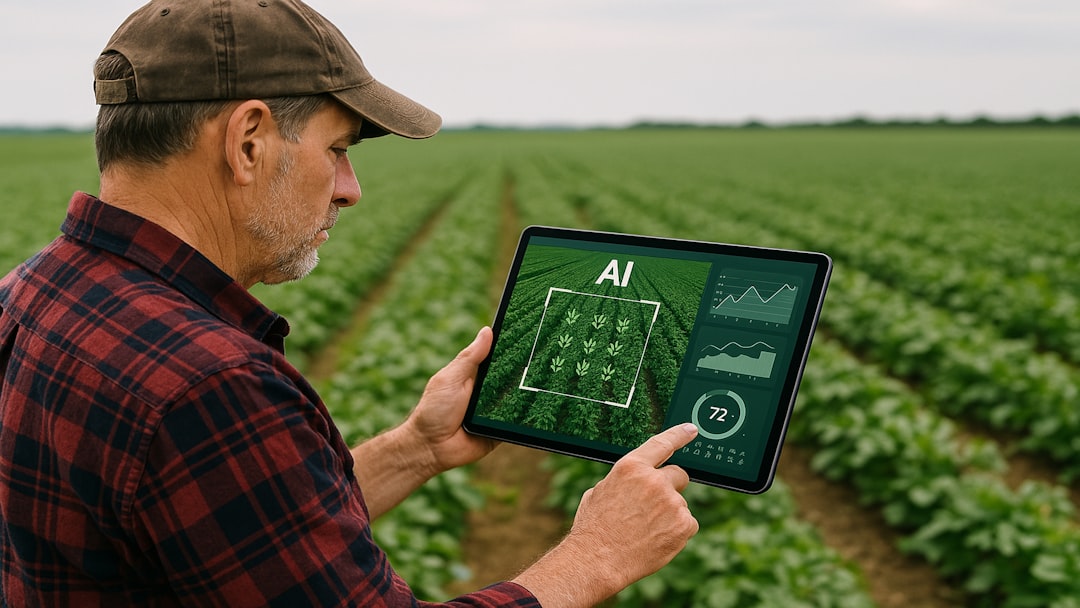
Artificial intelligence plays a central role in this work, enabling the integration of models, case studies, and platforms, and transforming complex data into optimal energy decisions. The most evident impact is seen in the ability to provide rapid indications to technicians and in real-time operational optimization, with reduced load peaks, better flexibility management, and storage.
The implications extend beyond the technical realm, affecting everyday users and consumers. For them, this could mean more reliable and efficient energy supply, reduced energy bills, and a significant decrease in carbon footprint. From an industry perspective, this shift could reshape how energy is produced, distributed, and consumed, pushing towards a more sustainable and resilient energy system.
As the world moves towards a more electrified and variable climate, the work of Spoke 8 and similar initiatives will be crucial in ensuring that the energy system can adapt and thrive. The integration of AI and digital technologies will be key to achieving this goal, providing the tools necessary for real-time decision-making and optimization. In the end, it's not just about transforming data into decisions but about creating a more sustainable, efficient, and resilient energy future for all.
The broader market and societal effects of this work will be significant. As energy systems become more integrated and resilient, the impact on the environment will be substantial. Reduced carbon emissions, lower energy consumption, and more efficient use of resources will all contribute to a more sustainable future. Furthermore, the economic benefits of a more efficient energy system will be considerable, with reduced energy costs and increased competitiveness for businesses and industries.
In conclusion, the work of Spoke 8 and the integration of AI in energy optimization are pivotal for the future of our energy systems. As we move forward in this transition, it's essential to consider the complex interplay of factors involved and to ensure that innovation serves the needs of both people and the planet.
The goal is not just to produce green energy but to use it more efficiently, less wastefully, and more intelligently. Spoke 8 is developing a new paradigm that incorporates innovative market models, local consumption aggregation, flexibility, and optimized energy management. These elements are set to become the structural backbone of the European energy system. Although many of these areas are still in their embryonic research phase, they represent the future of energy in Europe.
The integration of digitalization, artificial intelligence, and advanced communication techniques is not merely accessory but central to making informed decisions in real-time. The expected impact is profound, affecting the management, planning, and design of the energy system itself. Spoke 8 is developing new algorithms, models, and tools but also tackles the often-overlooked theme of sustainability and resilience throughout the entire energy supply chain.
In societies highly dependent on continuous access to energy services, continuity and reliability are not just technical details but economic and social prerequisites. Therefore, Spoke 8 also considers the fundamental rules of electromagnetic compatibility and the reliability of materials, components, and innovative systems throughout their operational life cycle under different stress conditions. It's not just about innovating but ensuring that innovation works in real contexts and over time.
Professor Andrea Vallati and Professor Giuditta Pisano shared insights into the urgent challenges Spoke 8 is addressing. The team is working on making the final energy system truly integrated, more flexible, and resilient, in the face of increasing electrification and climate variability. The objective is not only to integrate renewable sources for clean energy production but to manage energy intelligently, coordinating generation, storage, flexible demand, and networks.
Artificial intelligence plays a central role in this work, enabling the integration of models, case studies, and platforms, and transforming complex data into optimal energy decisions. The most evident impact is seen in the ability to provide rapid indications to technicians and in real-time operational optimization, with reduced load peaks, better flexibility management, and storage.
The implications extend beyond the technical realm, affecting everyday users and consumers. For them, this could mean more reliable and efficient energy supply, reduced energy bills, and a significant decrease in carbon footprint. From an industry perspective, this shift could reshape how energy is produced, distributed, and consumed, pushing towards a more sustainable and resilient energy system.
As the world moves towards a more electrified and variable climate, the work of Spoke 8 and similar initiatives will be crucial in ensuring that the energy system can adapt and thrive. The integration of AI and digital technologies will be key to achieving this goal, providing the tools necessary for real-time decision-making and optimization. In the end, it's not just about transforming data into decisions but about creating a more sustainable, efficient, and resilient energy future for all.
The broader market and societal effects of this work will be significant. As energy systems become more integrated and resilient, the impact on the environment will be substantial. Reduced carbon emissions, lower energy consumption, and more efficient use of resources will all contribute to a more sustainable future. Furthermore, the economic benefits of a more efficient energy system will be considerable, with reduced energy costs and increased competitiveness for businesses and industries.
In conclusion, the work of Spoke 8 and the integration of AI in energy optimization are pivotal for the future of our energy systems. As we move forward in this transition, it's essential to consider the complex interplay of factors involved and to ensure that innovation serves the needs of both people and the planet.